What are you looking for?
Search

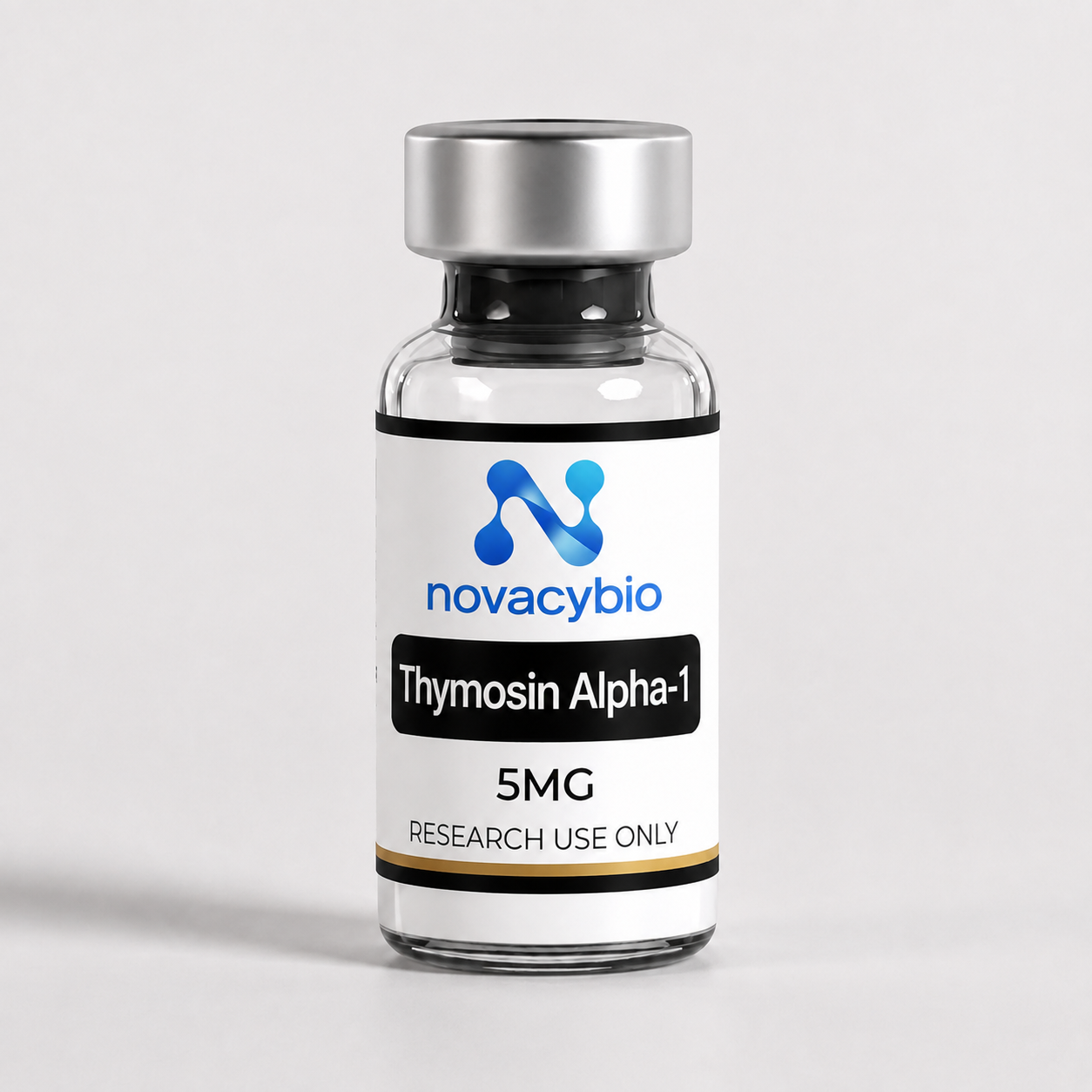
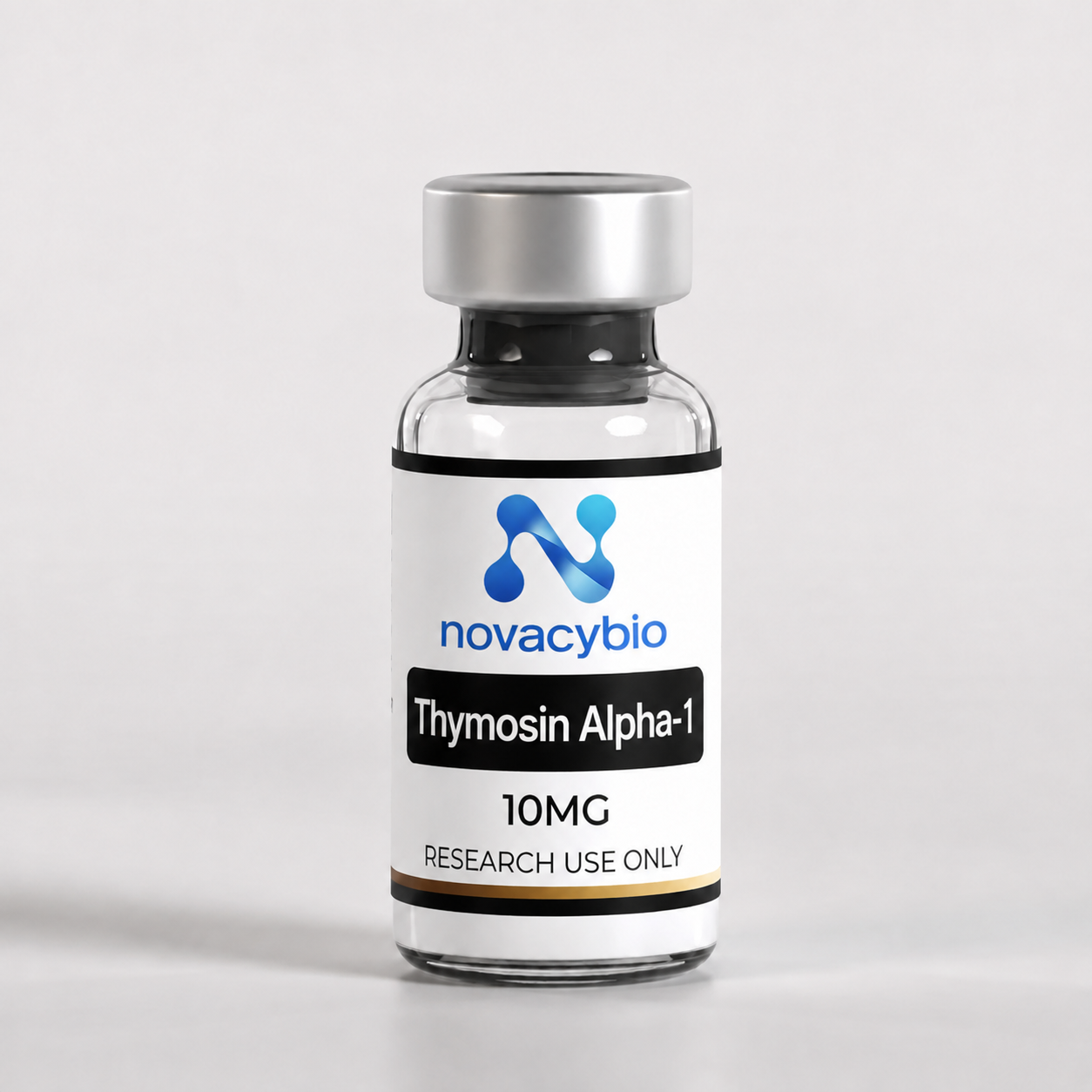
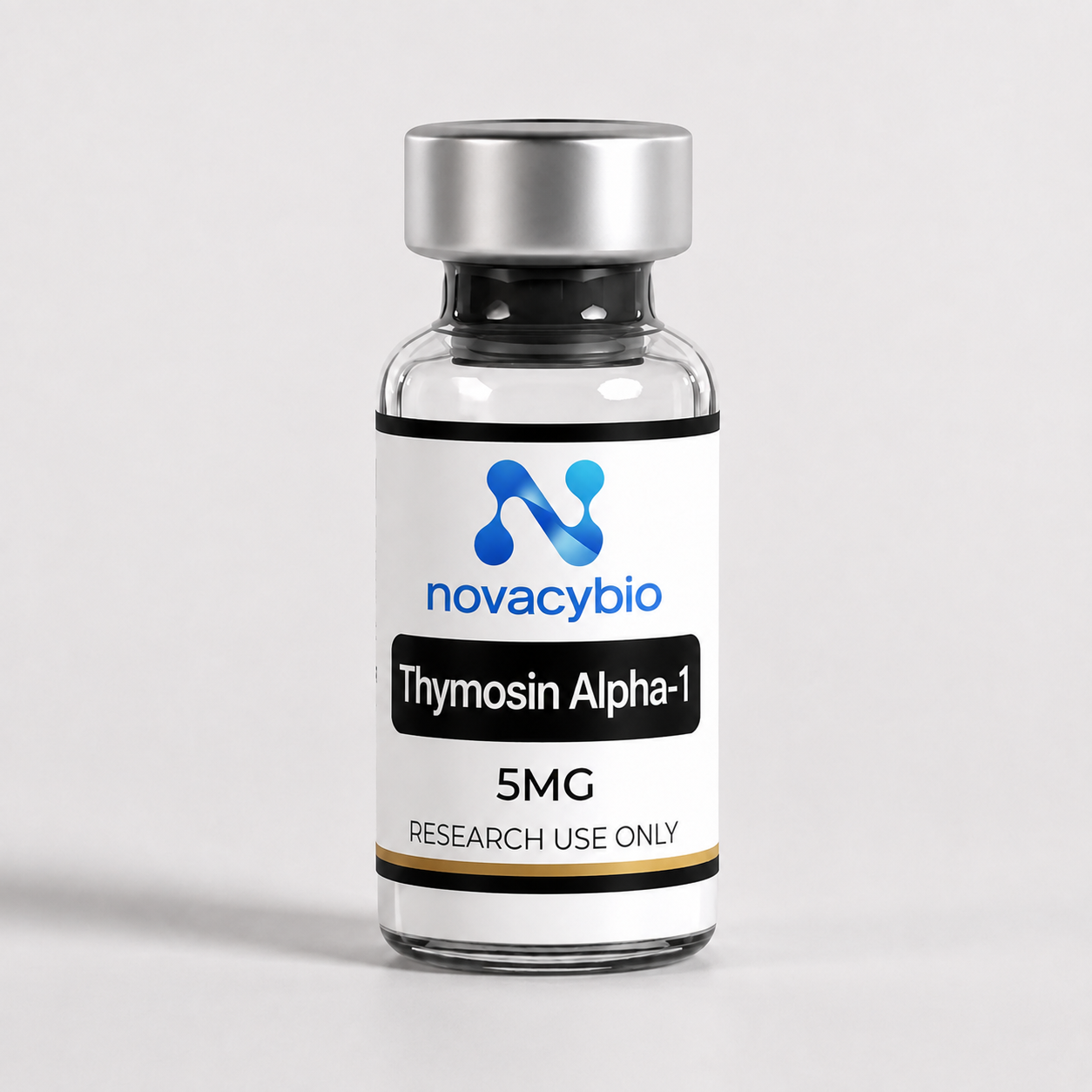
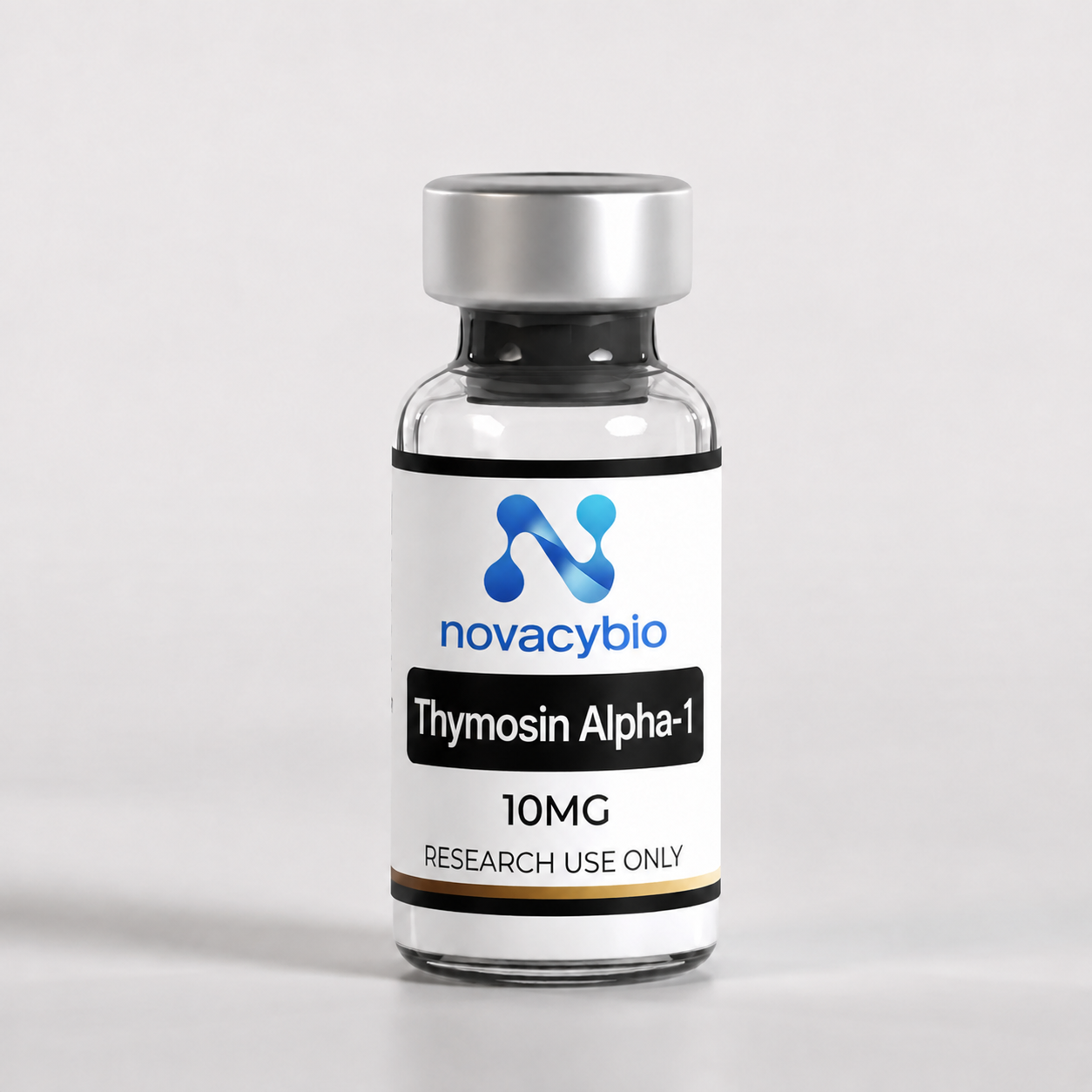
Thymosin Alpha-1
High Purity Tα1 Research Peptide | ≥99% HPLC Verified | COA Available
| Feature | Description |
|---|---|
| Product Name | Thymosin Alpha-1 (Tα1) Research Peptide |
| Package Size | 1 Kit (10 Vials) |
| Peptide Type | Immunomodulatory Research Peptide |
| Peptide Length | 28 Amino Acids |
| Purity | ≥99% HPLC Verified |
| Format | Lyophilized Peptide Powder |
| Identity Verification | Mass Spectrometry Confirmed |
| Research Applications | Immunology Research, Cellular Signaling Studies, Peptide Pathway Research |
| Quality Documentation | COA, HPLC Report, Mass Spectrometry Data, Batch Documentation |
| Storage | Store at -20°C, Protect from Moisture and Light |
| Research Use | For Laboratory Research Use Only |

Thymosin Alpha-1 Peptide (Tα1) | Research Grade Immunomodulatory Peptide
1. What is Thymosin Alpha-1? (Identity & Positioning)
Thymosin Alpha-1 (Tα1) is a synthetic 28-amino-acid peptide originally identified as a naturally occurring thymic peptide derived from thymosin fraction 5. It is also known as Thymalfasin and is widely studied for its role in immune system signaling, cellular communication, and immune response modulation.
As a research peptide, Thymosin Alpha-1 is primarily investigated for its interaction with immune-related pathways, including:
-
T-lymphocyte differentiation and activation
-
Dendritic cell maturation
-
Natural killer (NK) cell activity
-
Cytokine signaling regulation
-
Innate and adaptive immune response mechanisms
Thymosin Alpha-1 represents a well-characterized peptide model for researchers studying thymic function, immune regulation, and peptide-mediated cellular signaling pathways.
2. Peptide Classification
Peptide Category:
Immunomodulatory Peptide
Classification:
-
Synthetic thymic peptide
-
Immune signaling peptide
-
Cellular communication research peptide
-
Host-response modulation research compound
Technical Characteristics:
| Property | Specification |
|---|---|
| Peptide Name | Thymosin Alpha-1 |
| Alternative Name | Thymalfasin; Tα1 |
| Amino Acid Length | 28 amino acids |
| Molecular Weight | Approximately 3108.3 Da |
| Format | Lyophilized peptide powder |
| Purity | ≥99% HPLC verified |
| Research Category | Immunology & Cellular Signaling |
3. Research Rationale & Mechanism Overview
Thymosin Alpha-1 is studied as a peptide regulator involved in immune communication networks.
Current research suggests that Tα1 may influence multiple immune pathways, including:
T-Cell Signaling Research
Thymosin Alpha-1 has been investigated for its ability to support:
-
T-cell maturation processes
-
T-helper cell differentiation
-
Cytokine production pathways
-
Immune cell communication
Researchers study Tα1 as a model compound for understanding thymic peptide regulation of adaptive immunity.
Dendritic Cell Research
Dendritic cells act as key antigen-presenting cells within immune networks.
Research indicates that Thymosin Alpha-1 may influence:
-
Antigen presentation pathways
-
MHC expression
-
Immune cell activation signaling
Natural Killer Cell Research
Tα1 has been investigated in relation to NK cell functions, including:
-
Cytotoxic activity pathways
-
Interferon-related signaling
-
Innate immune response mechanisms
Toll-Like Receptor (TLR) Signaling Research
Scientific studies have explored interactions between Thymosin Alpha-1 and innate immune recognition pathways, including:
-
TLR2 signaling
-
TLR9 signaling
-
NF-κB pathway regulation
These studies contribute to understanding peptide-mediated immune modulation.
4. Research Findings
Immune System Signaling Research
Multiple decades of scientific research have investigated Thymosin Alpha-1 as an immune regulatory peptide.
Research areas include:
-
T-cell function studies
-
Cytokine pathway analysis
-
Immune cell differentiation models
-
Host immune response investigations
Viral Infection Research
Thymosin Alpha-1 has been widely researched in viral immunology models, including:
-
Hepatitis-related immune response studies
-
Antiviral immune signaling research
-
Host-response modulation research
Studies have investigated its potential role in supporting immune pathway activity during viral challenges.
Cancer Immunology Research
Research has explored Thymosin Alpha-1 in oncology-related immune studies, including:
-
Tumor immune microenvironment research
-
Immune response enhancement studies
-
Combination research with immune-related therapies
Tα1 is investigated as an immune signaling research tool rather than a direct anticancer agent.
Vaccine Response Research
Scientific investigations have examined Thymosin Alpha-1 in relation to:
-
Immune response development
-
Antibody production pathways
-
Vaccine-associated immune signaling
Immunosenescence Research
Researchers have studied Tα1 in aging-related immune models, focusing on:
-
Age-associated immune changes
-
T-cell function alterations
-
Immune system signaling pathways
5. Research Applications
Thymosin Alpha-1 is supplied for laboratory and scientific research applications, including:
Immunology Research
-
T-cell signaling studies
-
Immune cell differentiation research
-
Cytokine pathway analysis
Cellular Communication Research
-
Peptide-receptor interaction studies
-
Signal transduction research
-
Immune pathway mapping
Infectious Disease Research
-
Viral immunology models
-
Host immune response studies
-
Antiviral pathway investigations
Oncology Research
-
Tumor immunology studies
-
Immune microenvironment research
-
Combination therapy research models
Aging Biology Research
-
Immunosenescence studies
-
Age-related immune pathway research
Biotechnology Development
-
Peptide-based immune research platforms
-
Cellular assay development
-
Molecular biology applications
6. Safety Profile
Thymosin Alpha-1 has been extensively studied in scientific literature due to its long research history.
Research observations include:
-
Well-characterized peptide structure
-
Established analytical identification methods
-
Extensive immune pathway research background
Commonly reported research considerations include:
-
Peptide stability requirements
-
Appropriate laboratory handling procedures
-
Controlled storage conditions
Researchers should evaluate:
-
Experimental model suitability
-
Institutional requirements
-
Applicable regulatory guidelines
Safety evaluation depends on research methodology, formulation, handling procedures, and experimental conditions.
7. Final Product Positioning
Thymosin Alpha-1 Research Peptide is positioned as a:
High-purity immunomodulatory peptide for laboratory research involving immune signaling, cellular communication, and peptide-mediated biological pathways.
Key product advantages:
-
Defined 28-amino-acid peptide sequence
-
≥99% HPLC analytical purity
-
Suitable for molecular biology and immunology research
-
Supported by extensive scientific literature
-
Available with analytical documentation
Designed for:
-
Biotechnology companies
-
Academic laboratories
-
Pharmaceutical research teams
-
Life science researchers
8. Quality Documentation
Each research peptide batch can be supported with analytical documentation, including:
Certificate of Analysis (COA)
COA documentation provides:
-
Product identity
-
Batch information
-
Purity specification
-
Analytical testing results
-
Quality verification data
HPLC Report
High-performance liquid chromatography (HPLC) analysis is used to evaluate:
-
Peptide purity
-
Chromatographic profile
-
Batch consistency
Mass Spectrometry
Mass spectrometry testing confirms:
-
Molecular weight accuracy
-
Peptide identity verification
-
Expected molecular characteristics
Batch Documentation
Available batch records may include:
-
Manufacturing information
-
Quality control records
-
Analytical testing documentation
-
Storage and handling information
9. Storage Information
For optimal stability, Thymosin Alpha-1 peptide should be handled according to recommended laboratory storage practices.
Recommended Storage:
-
Store lyophilized peptide at -20°C or below
-
Protect from moisture and direct light
-
Keep sealed until use
-
Avoid repeated freeze-thaw cycles
After reconstitution:
-
Follow validated laboratory protocols
-
Store according to experimental requirements
-
Use appropriate sterile handling procedures
10. Research Disclaimer
For research use only.
Not intended for human consumption.
Not intended for clinical or diagnostic use.
This product is supplied exclusively as a laboratory research reagent. It is intended for qualified researchers conducting scientific investigations in controlled laboratory environments.
11. Frequently Asked Questions (FAQ)
1. What is Thymosin Alpha-1 peptide used for in research?
Thymosin Alpha-1 is primarily used in research investigating immune signaling pathways, T-cell activity, cellular communication, and peptide-mediated immune regulation.
2. What type of peptide is Thymosin Alpha-1?
Thymosin Alpha-1 is classified as a synthetic immunomodulatory peptide consisting of 28 amino acids.
3. What analytical tests are available for Thymosin Alpha-1?
Research documentation may include COA, HPLC purity analysis, mass spectrometry verification, and batch quality records.
4. How is Thymosin Alpha-1 supplied?
Thymosin Alpha-1 is typically supplied as a lyophilized peptide powder for laboratory research applications.
5. What is the molecular weight of Thymosin Alpha-1?
The molecular weight of Thymosin Alpha-1 is approximately 3108.3 Da.
6. How should Thymosin Alpha-1 peptide be stored?
For research stability, lyophilized Thymosin Alpha-1 is commonly stored at -20°C, protected from moisture and repeated temperature changes.
7. Is Thymosin Alpha-1 approved for research applications?
Thymosin Alpha-1 has been extensively studied scientifically. Research applications depend on local regulations and institutional requirements.
8. Can Thymosin Alpha-1 be used for clinical or human applications?
This product is supplied strictly as a research reagent.
It is:
-
Not intended for human consumption.
-
Not intended for clinical use.
-
Not intended for diagnostic applications.

You have successfully commented, please wait for review
Copied Successfully
You can enjoy up to 1 free gift!
