What are you looking for?
Search

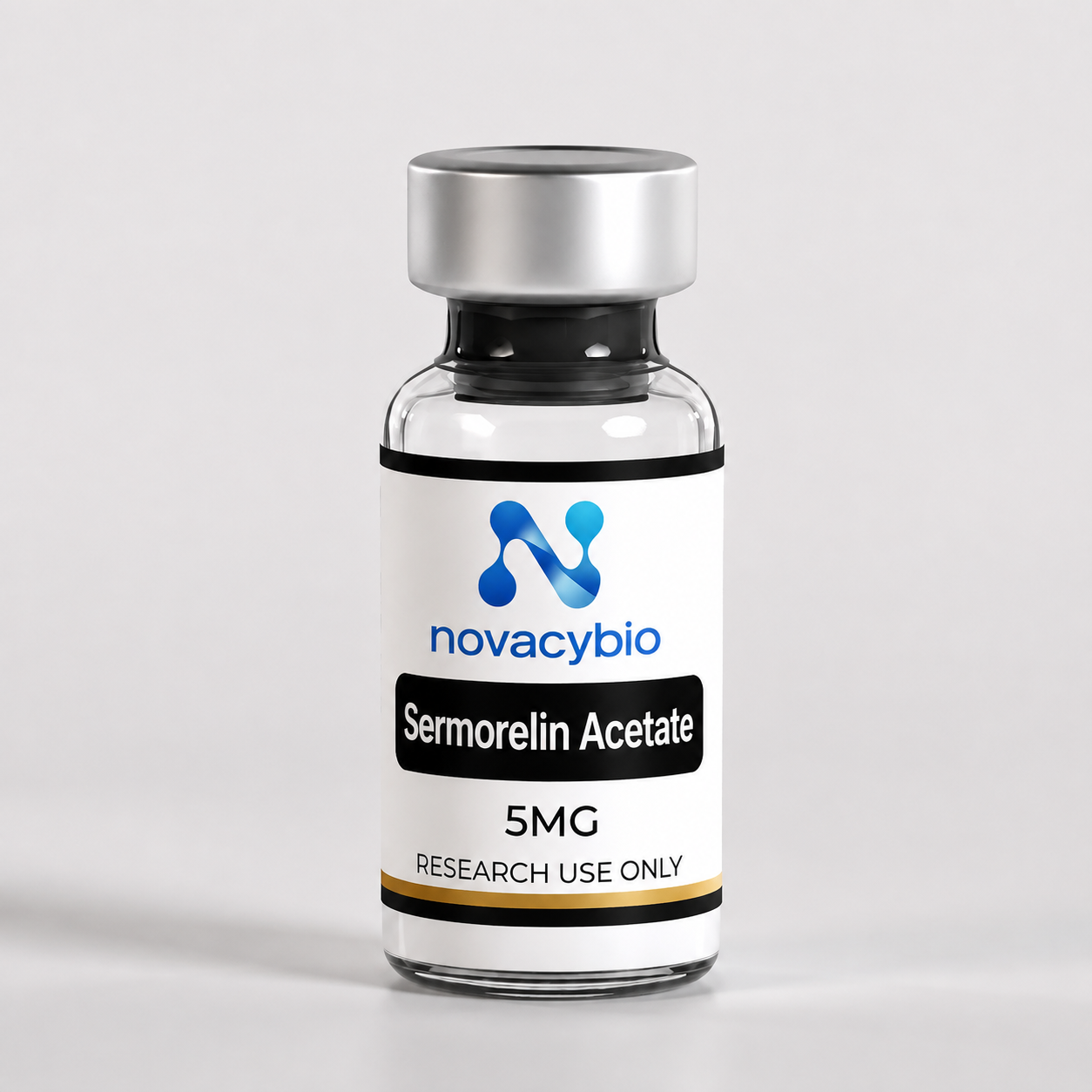
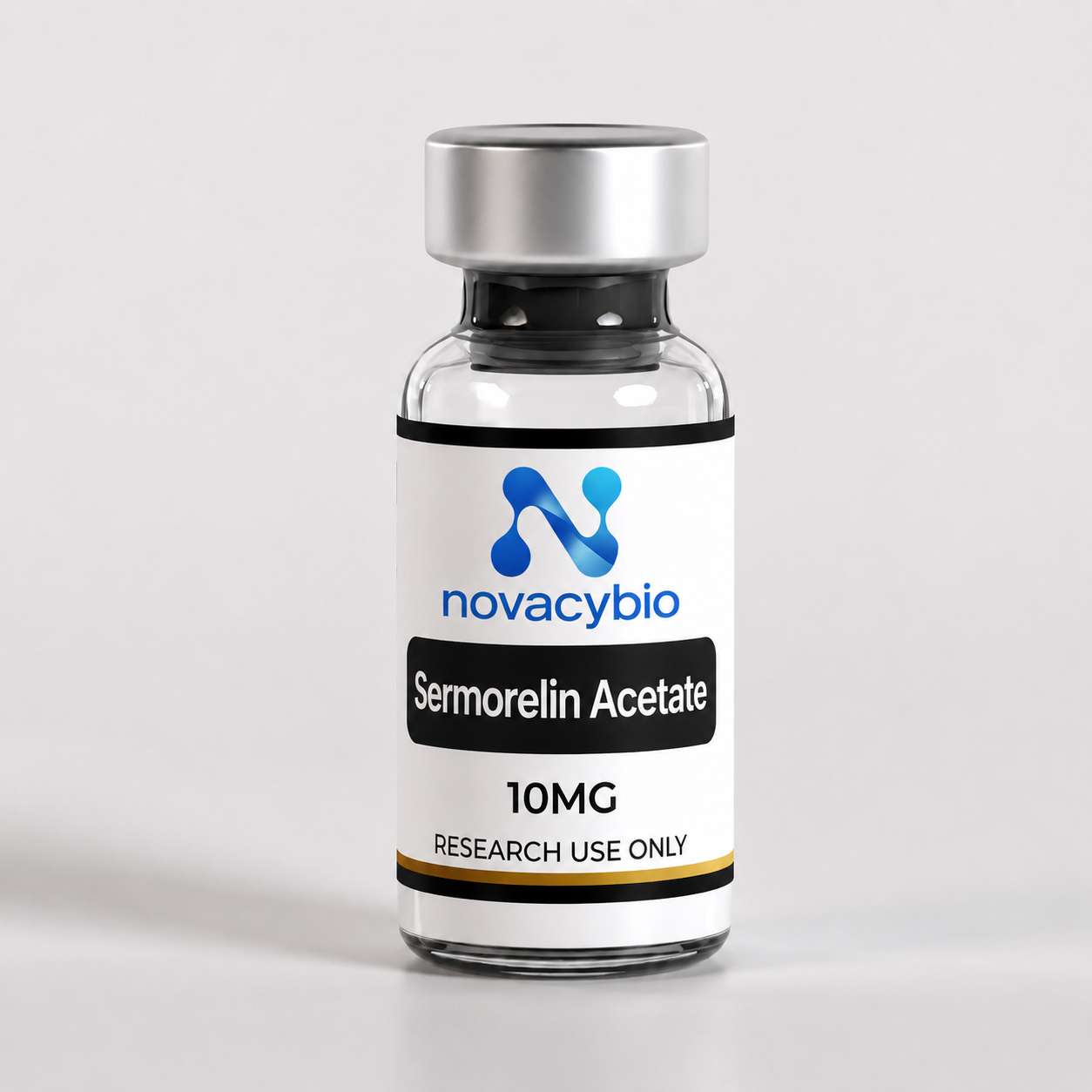
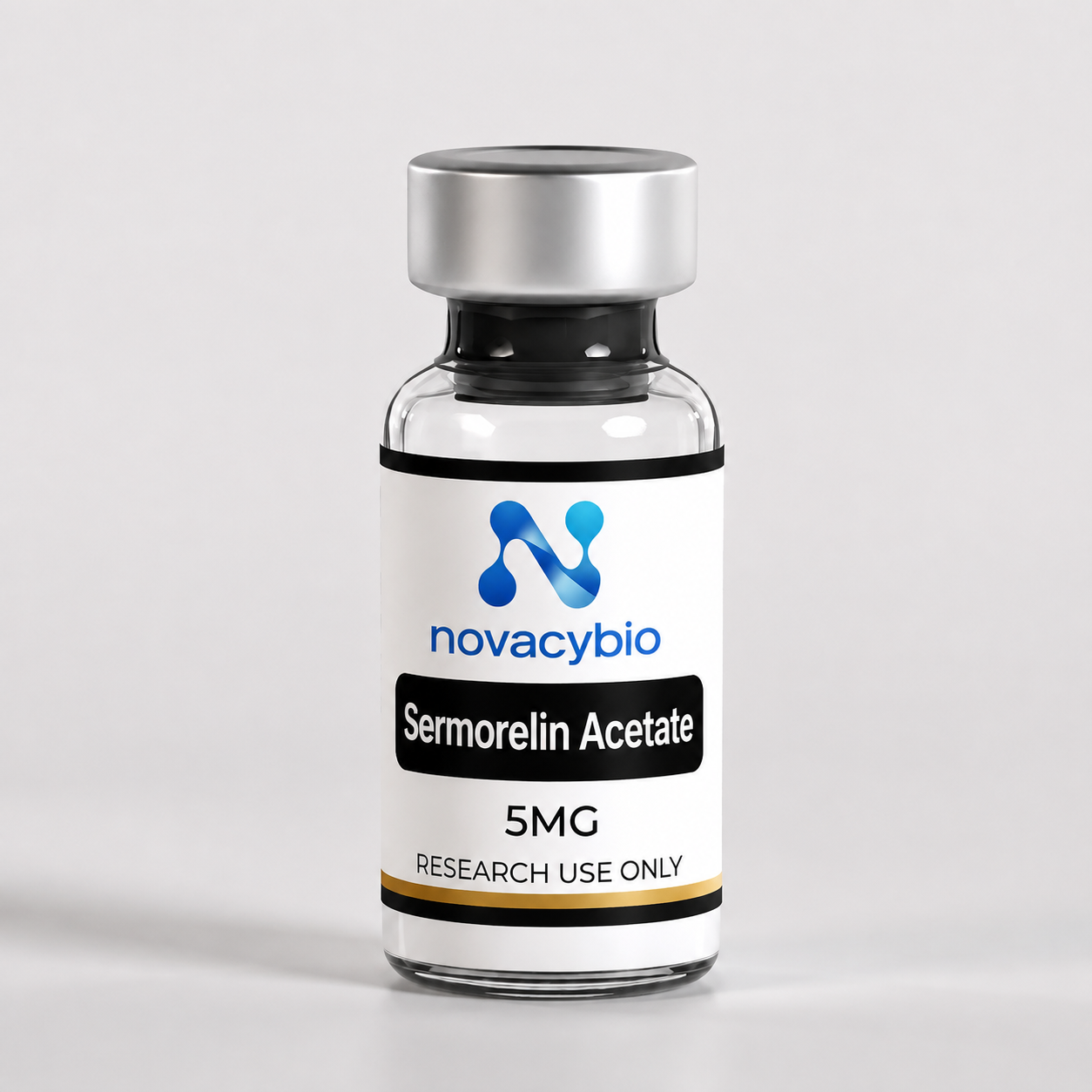
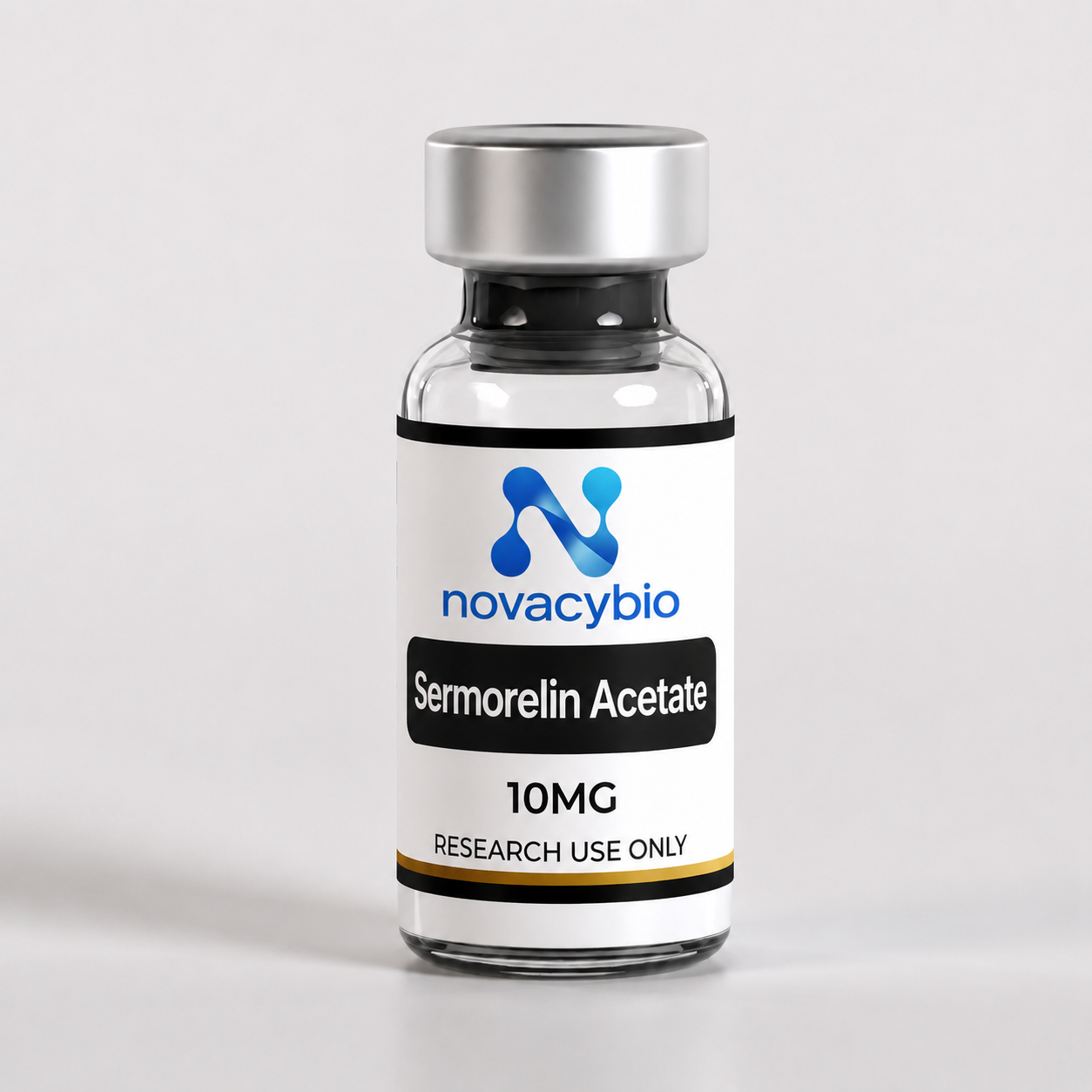
Sermorelin
GHRH Analog Research Peptide for Growth Hormone Signaling Studies
| Product Feature | Description |
|---|---|
| Research-Grade GHRH Analog Peptide | Sermorelin Acetate is a synthetic GHRH analog peptide designed for laboratory research involving growth hormone signaling pathways. |
| High Purity Peptide Material | Manufactured as a research-grade peptide with quality verification for analytical and biochemical research applications. |
| GHRH Receptor Research Model | Suitable for studies investigating GHRH receptor interaction, peptide signaling mechanisms, and endocrine pathway research. |
| Growth Hormone Pathway Research | Used as a research tool for exploring growth hormone regulation, pituitary signaling, and related molecular pathways. |
| Analytical Documentation Available | Supplied with quality documents including COA, HPLC analysis, mass spectrometry data, and batch documentation. |
| Validated Peptide Identity | Molecular characterization supports peptide identity confirmation and research consistency between batches. |
| Laboratory Research Applications | Suitable for biotechnology, pharmaceutical, academic, and biochemical research environments. |
| Professional Research Packaging | Available as 1 Kit (10 Vials) with secure packaging designed for peptide storage and laboratory handling. |
| Batch Traceability Support | Each batch can be supported with documentation for quality control and research material tracking. |
| Research Use Only Product | Intended exclusively for scientific research applications and laboratory investigations. |

Sermorelin Acetate Research Peptide
GHRH Analog Peptide for Laboratory Research Applications
1. What Is Sermorelin Acetate?(Identity Positioning)
Sermorelin Acetate is a synthetic peptide analog of Growth Hormone-Releasing Hormone (GHRH) designed for research investigating the regulation of the growth hormone (GH) signaling pathway.
As a truncated analog corresponding to the first 29 amino acids of human GHRH, Sermorelin functions as a research tool for studying GHRH receptor activation, pituitary GH secretion mechanisms, and downstream IGF-1 signaling pathways.
Unlike recombinant growth hormone products, Sermorelin does not represent exogenous GH itself. Instead, it is primarily investigated for its role in stimulating endogenous growth hormone release mechanisms within experimental models.
Research Classification:
-
Peptide Category: GHRH Analog Peptide
-
Molecular Target: Growth Hormone-Releasing Hormone Receptor (GHRH-R)
-
Research Field: Endocrine signaling, peptide biology, metabolic regulation
2. Peptide Category Positioning
GHRH Analog Research Peptide
Sermorelin belongs to the Growth Hormone-Releasing Hormone (GHRH) analog peptide family.
This peptide class is commonly studied for:
-
Hypothalamic–pituitary signaling research
-
Growth hormone secretion pathways
-
Neuroendocrine regulation studies
-
IGF-1 mediated biological signaling research
Compared with direct growth hormone research compounds, GHRH analog peptides are investigated as upstream modulators of the GH axis.
3. Research Logic and Mechanism Overview
The scientific rationale behind Sermorelin research is based on the physiological GH regulatory pathway:
Hypothalamus
↓
GHRH signaling
↓
Pituitary GHRH receptor activation
↓
Growth Hormone release
↓
IGF-1 pathway activation
↓
Downstream metabolic and cellular signaling research
Sermorelin is studied as a molecular tool for understanding:
-
GHRH receptor signaling
-
Intracellular cAMP pathway activation
-
Pituitary hormone secretion regulation
-
GH pulse pattern modulation
Research models commonly evaluate how GHRH analog stimulation influences endocrine communication networks.
4. Research Findings
Foundational Research
Early peptide research established that GHRH fragments could retain biological activity while reducing molecular complexity compared with full-length GHRH molecules.
Sermorelin research contributed to the understanding of:
-
GHRH receptor interaction
-
GH secretory regulation
-
Pituitary responsiveness
-
Endocrine feedback mechanisms
Growth Hormone Pathway Studies
Research investigations have examined Sermorelin’s ability to influence:
-
Growth hormone release patterns
-
GH-related signaling pathways
-
IGF-1 downstream activity
Experimental observations suggest that GHRH analog peptides may provide valuable models for studying endogenous hormone regulation.
Aging-Related Research
Age-associated changes in GH secretion have led to research interest in GHRH analog peptides.
Studies have explored:
-
Changes in GH signaling with aging
-
Endocrine pathway modulation
-
Growth hormone axis function research
Sleep and Circadian Research
Because natural GH secretion is associated with circadian rhythms and sleep cycles, Sermorelin has been investigated in research models examining:
-
Pulsatile hormone release
-
Sleep-related endocrine signaling
-
Neuroendocrine interactions
5. Research Applications
Sermorelin Acetate is supplied for laboratory and scientific research applications, including:
Endocrine Research
Used in studies investigating:
-
Growth hormone regulation
-
Pituitary signaling mechanisms
-
Hormone receptor biology
Peptide Receptor Research
Applications include:
-
GHRH receptor interaction studies
-
Signal transduction pathway research
-
Ligand-receptor binding investigations
Metabolic Research
Research areas may include:
-
Growth hormone-associated metabolic pathways
-
IGF-1 signaling mechanisms
-
Body composition-related biological studies
Aging Biology Research
Potential research applications:
-
Age-related endocrine changes
-
Hormonal signaling pathways
-
Cellular aging mechanisms
Pharmaceutical Development Research
Used as a reference peptide or research molecule in:
-
Peptide formulation studies
-
Analytical method development
-
Bioactivity evaluation research
6. Safety Profile Analysis
Research Safety Considerations
Sermorelin Acetate should be handled according to appropriate laboratory peptide handling procedures.
Research considerations include:
-
Peptide stability
-
Storage conditions
-
Analytical verification
-
Experimental model requirements
Potential Research Observations
Studies involving GH pathway modulation may evaluate biological effects associated with:
-
GH signaling activity
-
IGF-1 pathway changes
-
Hormonal feedback regulation
Because growth hormone pathways involve multiple biological systems, researchers should consider appropriate experimental controls and monitoring parameters.
7. Final Product Positioning
Premium Research-Grade GHRH Analog Peptide
Sermorelin Acetate is positioned as a high-quality research peptide for laboratories, biotechnology companies, and academic research institutions studying endocrine signaling pathways.
Product positioning:
-
Research-grade peptide material
-
Suitable for analytical and biochemical studies
-
Designed for peptide research applications
-
Manufactured with quality verification documentation
Ideal customers include:
-
Biotechnology laboratories
-
Pharmaceutical research organizations
-
Academic institutions
-
Peptide research facilities
8. Quality Documentation
Each research peptide batch may be supported with analytical documentation, including:
Certificate of Analysis (COA)
Documentation may include:
-
Product identification
-
Batch number
-
Purity specification
-
Testing results
-
Manufacturing information
HPLC Report
High Performance Liquid Chromatography analysis provides information regarding:
-
Peptide purity profile
-
Chromatographic analysis
-
Batch consistency verification
Mass Spectrometry
Mass spectrometry testing is used for:
-
Molecular weight confirmation
-
Peptide identity verification
-
Structural characterization
Batch Documentation
Available documentation may include:
-
Batch records
-
Quality control information
-
Analytical testing reports
-
Manufacturing traceability records
9. Storage Information
Recommended storage conditions:
Short-Term Storage
-
Store at controlled temperature conditions
-
Protect from direct light exposure
-
Keep container properly sealed
Long-Term Storage
-
Store lyophilized peptide under recommended cold storage conditions
-
Avoid repeated freeze-thaw cycles
-
Minimize exposure to moisture
Handling Recommendations
-
Use appropriate laboratory handling procedures
-
Maintain product integrity during storage and preparation
10. Research Disclaimer
For research use only.
Not intended for human consumption.
Not intended for clinical or diagnostic use.
This product is supplied exclusively as a research material for laboratory investigation and scientific studies.
11. FAQ – B2B SEO Questions
1. What is Sermorelin Acetate used for in peptide research?
Sermorelin Acetate is a GHRH analog peptide used in laboratory research investigating growth hormone signaling pathways, receptor activity, and endocrine regulation mechanisms.
2. Is Sermorelin Acetate a growth hormone peptide?
No. Sermorelin Acetate is not growth hormone itself. It is a GHRH analog research peptide studied for its interaction with growth hormone regulatory pathways.
3. What peptide category does Sermorelin Acetate belong to?
Sermorelin Acetate belongs to the GHRH analog peptide category and is commonly researched in endocrine and peptide signaling studies.
4. What quality documents are available for Sermorelin Acetate?
Research peptide suppliers typically provide documentation such as COA, HPLC analysis reports, mass spectrometry data, and batch documentation.
5. How should Sermorelin Acetate peptide be stored?
Sermorelin Acetate should be stored following recommended peptide storage protocols, including protection from moisture, heat, and repeated temperature fluctuations.
6. What analytical methods are used to verify Sermorelin Acetate quality?
Common analytical methods include HPLC purity testing and mass spectrometry analysis for peptide identity confirmation.
7. Who purchases Sermorelin Acetate for research purposes?
Typical customers include biotechnology companies, pharmaceutical research laboratories, universities, and peptide research organizations.
8. Is Sermorelin Acetate available for human or clinical applications?
No. Research-grade Sermorelin Acetate products are supplied exclusively for laboratory research purposes and are not intended for human consumption or clinical use.

You have successfully commented, please wait for review
Copied Successfully
You can enjoy up to 1 free gift!
