What are you looking for?
Search

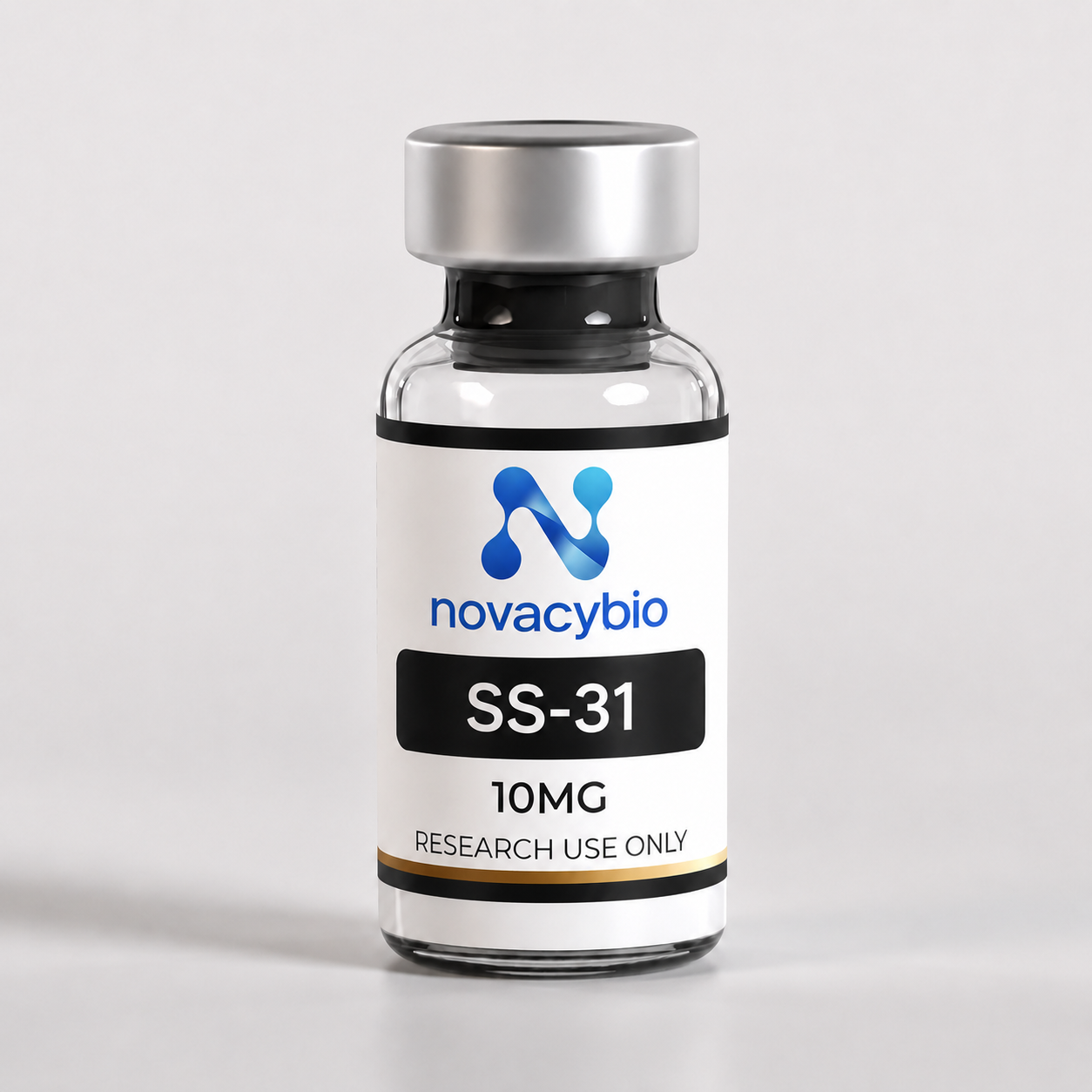
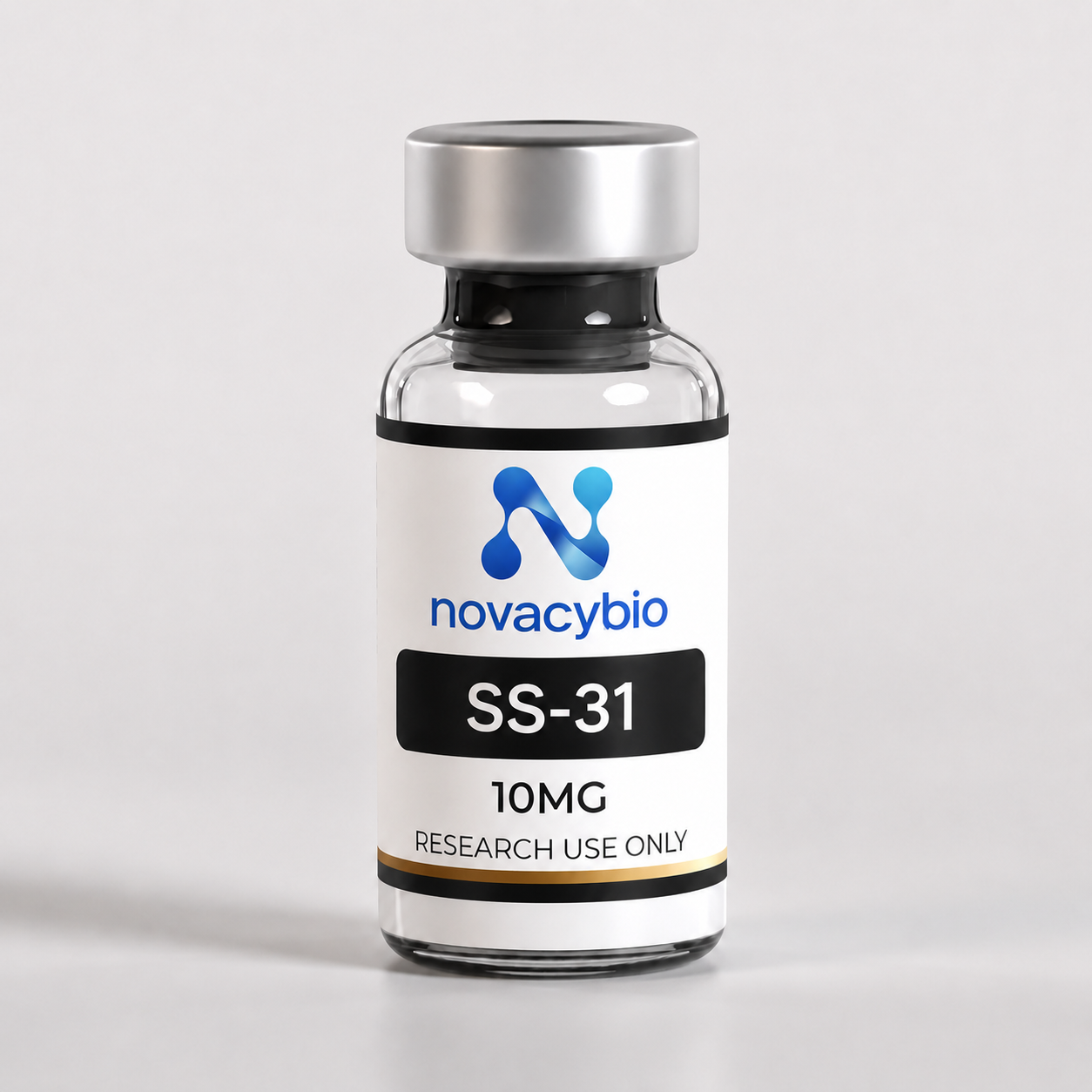
SS-31
High Purity SS-31 Research Peptide for Mitochondrial Function, Cardiolipin Interaction and Cellular Bioenergetics Research with COA, HPLC and Mass Spectrometry Documentation
| Feature | Description |
|---|---|
| Product Type | SS-31 (Elamipretide) Mitochondrial Targeted Research Peptide |
| Package Size | 1 Kit (10 Vials) |
| Research Focus | Mitochondrial Function, Cellular Bioenergetics and Oxidative Stress Research |
| Peptide Category | Mitochondrial-Targeted Research Peptide |
| Research Application | Cardiolipin Interaction, Mitochondrial Membrane and Cellular Energy Studies |
| Quality Documentation | COA, HPLC Analysis, Mass Spectrometry Verification |
| Purity Standard | High Purity Research Grade Peptide |
| Suitable For | Biotechnology, Pharmaceutical and Academic Research Laboratories |
| Storage | Controlled Low Temperature Storage Recommended |
| Intended Use | For Research Use Only |

以下内容根据你提供的 SS-31 产品资料整理,按照欧美 Research Peptide Supplier 独立站 B2B SEO 产品页面结构撰写。定位为科研客户(Universities / Biotechnology Companies / Pharmaceutical R&D / CRO Laboratories),避免医疗宣传,符合 Research Use Only 产品页面逻辑。
SS-31 (Elamipretide) Research Peptide
Mitochondrial-Targeted Peptide for Advanced Cellular Bioenergetics Research
Product Category: Research Peptide / Mitochondrial-Targeted Peptide
Research Area: Mitochondrial Function, Oxidative Stress, Cellular Bioenergetics
1. What is SS-31?
Identity & Scientific Positioning
SS-31, also known as Elamipretide, Bendavia, or MTP-131, is a synthetic mitochondria-targeted tetrapeptide designed for laboratory research investigating mitochondrial membrane stability, oxidative stress regulation, and cellular energy metabolism.
Unlike conventional antioxidant compounds that neutralize reactive oxygen species (ROS) after damage occurs, SS-31 has been developed as a mitochondrial-targeting research molecule that selectively accumulates within mitochondria and interacts with cardiolipin, an essential phospholipid located in the inner mitochondrial membrane.
Through cardiolipin interaction, SS-31 is widely studied for its potential role in maintaining mitochondrial structural integrity, supporting electron transport chain organization, and investigating mechanisms associated with mitochondrial dysfunction.
2. Peptide Category Positioning
Research Peptide Classification
SS-31 belongs to the category of:
-
Mitochondrial-Targeted Peptides
-
Cell-Penetrating Research Peptides
-
Bioenergetics Research Compounds
-
Oxidative Stress Research Peptides
Scientific characteristics:
| Feature | Description |
|---|---|
| Peptide Type | Synthetic Tetrapeptide |
| Target Site | Inner mitochondrial membrane |
| Primary Interaction | Cardiolipin binding |
| Research Focus | Mitochondrial stability and energy metabolism |
| Application Field | Cellular biology, aging research, metabolic research |
SS-31 is primarily investigated as a molecular tool for studying mitochondrial pathways rather than as a conventional antioxidant supplement.
3. Research Rationale & Mechanism Overview
Mitochondrial Targeting Research Logic
Mitochondria are responsible for producing the majority of cellular ATP through oxidative phosphorylation. However, mitochondrial dysfunction can lead to:
-
Reduced ATP production
-
Increased oxidative stress
-
Electron transport chain disruption
-
Altered membrane potential
-
Cellular stress responses
Research suggests that mitochondrial damage is often associated with oxidation and destabilization of cardiolipin, which plays an important role in organizing mitochondrial respiratory complexes.
SS-31 research focuses on several mechanisms:
Cardiolipin Interaction
SS-31 demonstrates selective interaction with cardiolipin through:
-
Electrostatic attraction
-
Hydrophobic interactions
-
Stabilization of mitochondrial membrane structures
Electron Transport Chain Research
By interacting with mitochondrial membrane components, SS-31 is investigated for its influence on:
-
Respiratory complex organization
-
Electron leakage
-
ROS generation pathways
-
ATP synthesis efficiency
Oxidative Stress Research
Unlike traditional ROS scavengers, SS-31 is studied for reducing oxidative stress at the mitochondrial source by supporting membrane stability and mitochondrial function.
4. Research Findings
Preclinical Research Overview
Extensive laboratory research has investigated SS-31 across multiple mitochondrial dysfunction models.
Mitochondrial Function Studies
Research models have reported that SS-31 may:
-
Support mitochondrial respiration
-
Reduce excessive ROS production
-
Preserve mitochondrial membrane potential
-
Maintain ATP production under metabolic stress conditions
Cardiovascular Research
SS-31 has been investigated in experimental cardiovascular models focusing on:
-
Cardiac mitochondrial dysfunction
-
Ischemia-reperfusion injury mechanisms
-
Cellular energy metabolism
Research studies have explored its relationship with:
-
Mitochondrial efficiency
-
Cardiac cellular stress responses
-
Oxidative damage pathways
Muscle & Metabolic Research
SS-31 has been studied in mitochondrial myopathy models and metabolic dysfunction research.
Research areas include:
-
Skeletal muscle mitochondrial function
-
Cellular energy regulation
-
Exercise-related mitochondrial adaptation mechanisms
Neurobiology Research
Preclinical studies have examined SS-31 in models related to:
-
Neuronal mitochondrial dysfunction
-
Oxidative stress pathways
-
Neurodegeneration mechanisms
Research interest includes mitochondrial protection pathways associated with neuronal energy metabolism.
5. Research Applications
SS-31 is supplied for laboratory research applications including:
Mitochondrial Biology Research
-
Mitochondrial membrane stability studies
-
Cardiolipin interaction research
-
Electron transport chain investigations
-
Cellular bioenergetics analysis
Aging & Longevity Research
-
Mitochondrial decline studies
-
Cellular senescence research
-
Oxidative stress pathway investigation
Metabolic Research
-
ATP production studies
-
Cellular energy metabolism research
-
Metabolic stress models
Disease Model Research
Potential research applications include:
-
Cardiovascular mitochondrial dysfunction models
-
Neurodegenerative disease research models
-
Genetic mitochondrial disorder studies
-
Muscle mitochondrial dysfunction research
Cellular Stress Research
-
ROS signaling studies
-
Apoptosis pathway research
-
Mitochondrial membrane potential analysis
6. Safety Profile
Research Safety Information
SS-31 has been evaluated in multiple preclinical and clinical research programs investigating mitochondrial-related disorders.
Reported research observations include:
-
Generally favorable research tolerability profiles
-
Investigation across multiple biological models
-
No indication of mitochondrial accumulation toxicity in studied conditions
Research studies have reported commonly monitored observations including:
-
Injection-site responses in clinical research settings
-
Gastrointestinal-related observations
-
Headache or fatigue-related reports
However, long-term safety data for research applications outside controlled experimental settings remain limited.
Researchers should evaluate SS-31 according to their own institutional protocols, applicable regulations, and experimental requirements.
7. Final Product Positioning
Premium Research-Grade Mitochondrial Peptide
SS-31 is positioned as a high-quality research peptide designed for:
-
Academic laboratories
-
Biotechnology research groups
-
Pharmaceutical discovery programs
-
Contract research organizations (CROs)
Key product advantages:
✓ Mitochondria-targeted peptide technology
✓ Research focus on cardiolipin interaction
✓ Suitable for mitochondrial pathway studies
✓ Supports advanced cellular bioenergetics research
✓ Manufactured for analytical research applications
8. Quality Documentation
Analytical Documentation Provided
Each SS-31 research peptide batch is supported by quality documentation including:
Certificate of Analysis (COA)
Includes:
-
Product identification
-
Batch number
-
Purity specification
-
Testing date
-
Analytical results
HPLC Report
High-performance liquid chromatography analysis confirms:
-
Peptide purity profile
-
Chromatographic identity
-
Batch consistency
Mass Spectrometry (MS)
Mass spectrometry verification provides:
-
Molecular weight confirmation
-
Peptide identity validation
-
Structural confirmation
Batch Documentation
Available documentation may include:
-
Manufacturing batch records
-
Quality control records
-
Analytical testing information
-
Storage and handling instructions
9. Storage Information
Recommended Storage Conditions
For optimal stability:
-
Store at -20°C or below
-
Keep product in sealed original container
-
Protect from moisture
-
Avoid repeated freeze-thaw cycles
Recommended handling:
-
Allow vial to reach room temperature before opening
-
Use appropriate laboratory handling procedures
-
Prepare solutions according to validated laboratory protocols
10. Research Disclaimer
For research use only.
Not intended for human consumption.
Not intended for clinical or diagnostic use.
SS-31 research peptide products are supplied exclusively for laboratory research applications. They are not approved as drugs, dietary supplements, or therapeutic products.
11. FAQ – B2B SEO Questions
1. What is SS-31 (Elamipretide) research peptide?
SS-31 is a synthetic mitochondria-targeted peptide used in laboratory research investigating mitochondrial membrane stability, cardiolipin interaction, and cellular energy metabolism pathways.
2. What category does SS-31 belong to?
SS-31 belongs to the mitochondrial-targeted research peptide category and is widely studied in mitochondrial biology, oxidative stress research, and cellular bioenergetics.
3. How does SS-31 work in mitochondrial research?
SS-31 research focuses on its interaction with cardiolipin in the inner mitochondrial membrane, supporting studies related to membrane stability, electron transport chain function, and mitochondrial efficiency.
4. What research applications are SS-31 peptides used for?
SS-31 is commonly researched in mitochondrial dysfunction studies, oxidative stress models, cardiovascular research, metabolic research, aging biology, and neurobiology studies.
5. Does SS-31 have supporting research evidence?
Yes. SS-31 has been investigated through extensive preclinical studies and human research programs focusing on mitochondrial function and bioenergetic mechanisms.
6. What quality documents are available for SS-31 peptide orders?
Research suppliers typically provide COA, HPLC purity analysis, mass spectrometry verification, and batch documentation for quality evaluation.
7. How should SS-31 research peptide be stored?
SS-31 should generally be stored under controlled low-temperature conditions, protected from moisture, heat, and repeated freeze-thaw exposure.
8. Is SS-31 approved for human use?
SS-31 products supplied as research peptides are intended exclusively for laboratory research purposes and are not intended for human consumption, clinical use, or diagnostic applications.

You have successfully commented, please wait for review
Copied Successfully
You can enjoy up to 1 free gift!
