What are you looking for?
Search
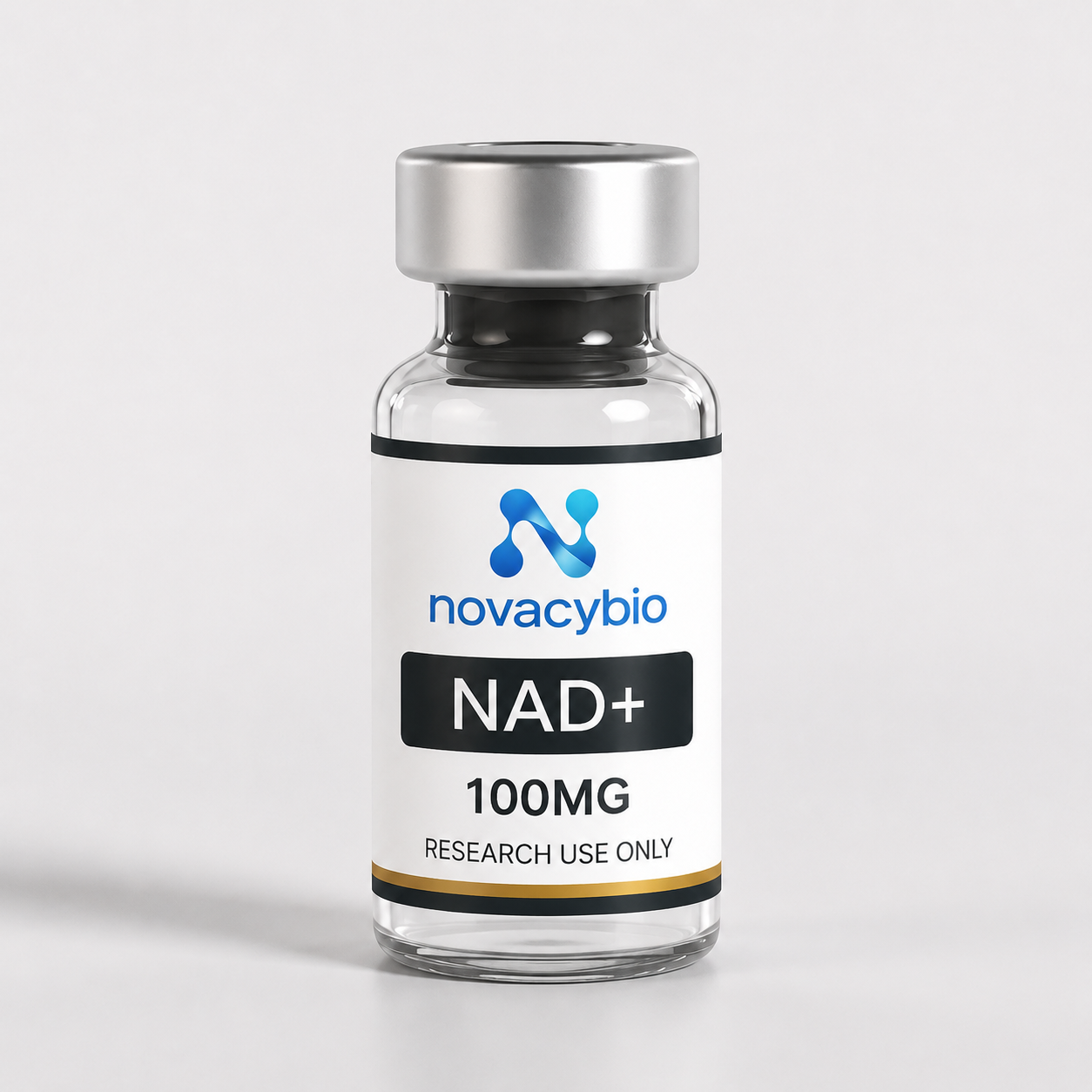
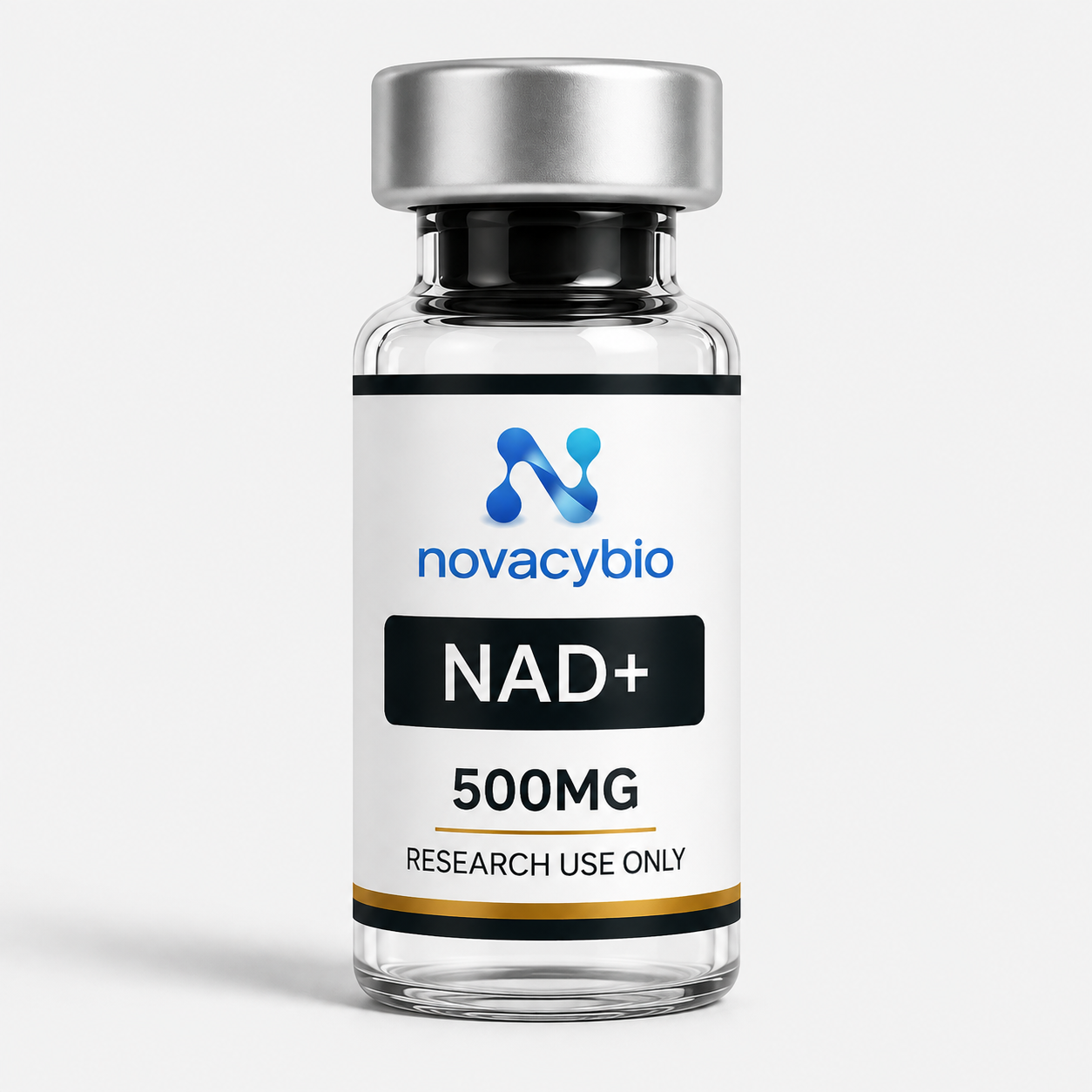
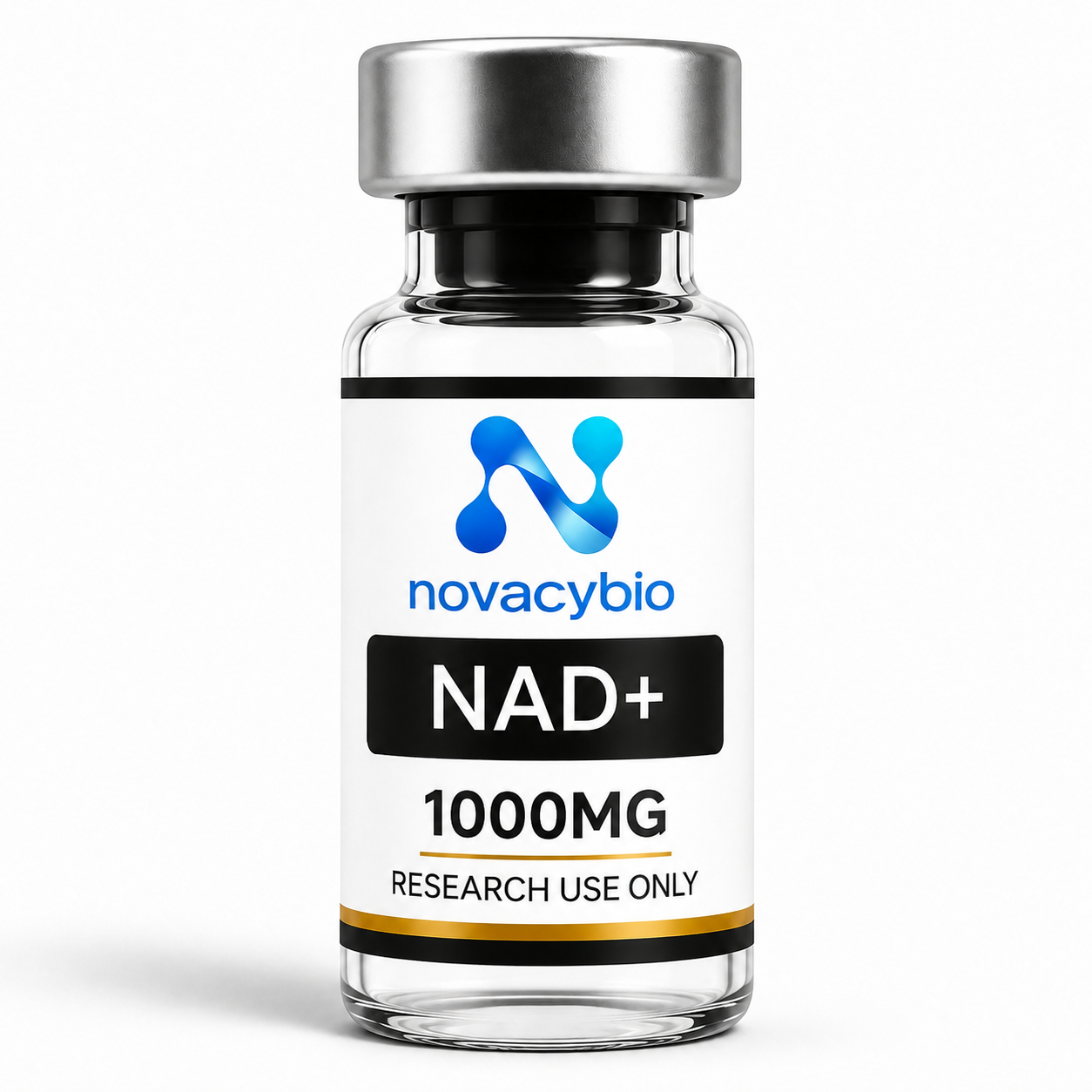
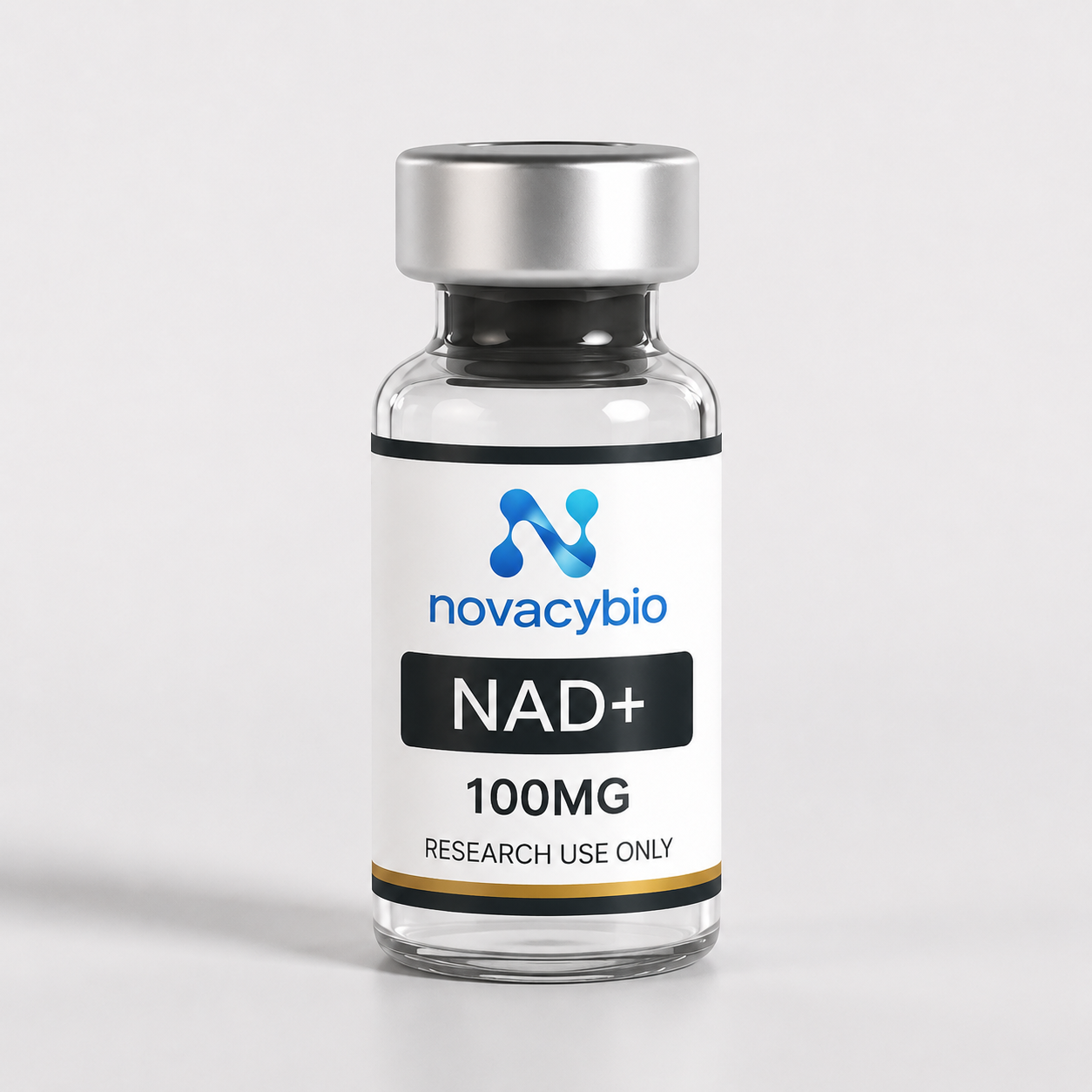
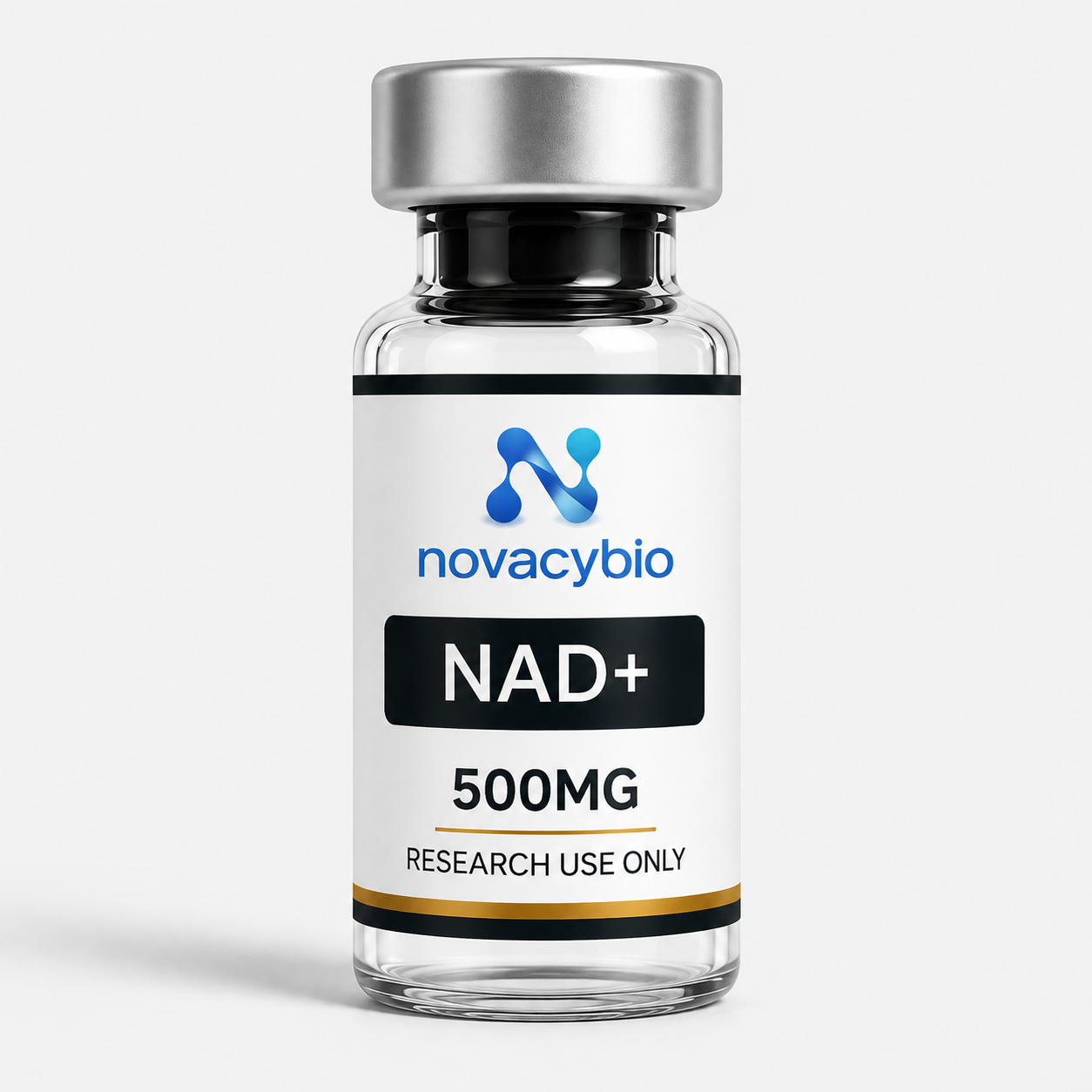
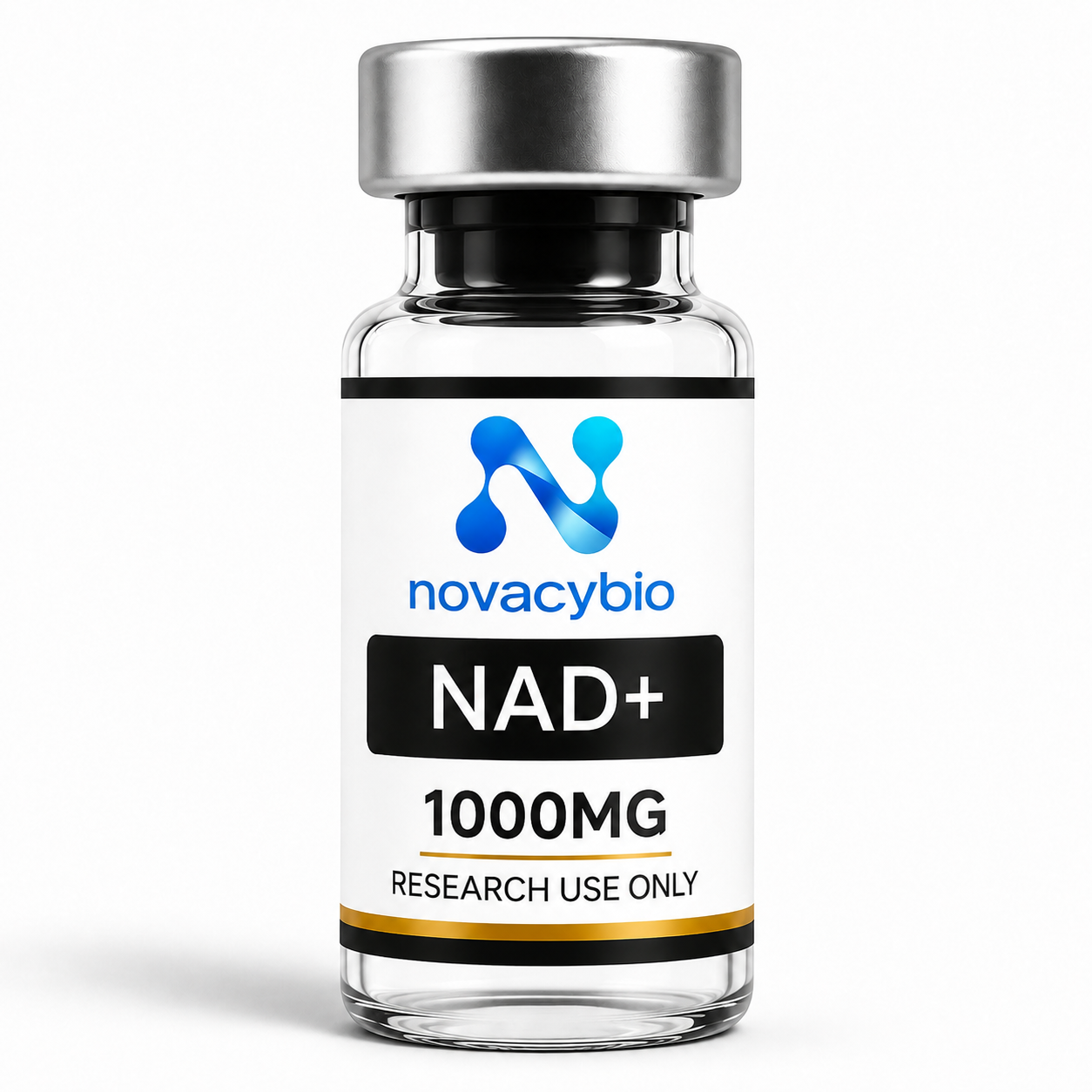
NAD+ Research Compound
Nicotinamide Adenine Dinucleotide | Cellular Energy Metabolism Research
| Product Feature | Description |
|---|---|
| ✓ Research Grade NAD+ Material | NAD+ (Nicotinamide Adenine Dinucleotide) supplied as a research-grade biochemical material for laboratory applications. |
| ✓ High Purity Quality Standard | Manufactured under controlled quality procedures with ≥99% purity verified by analytical testing. |
| ✓ HPLC Verified Testing | Each batch undergoes HPLC analysis to verify purity and ensure product consistency. |
| ✓ COA Documentation Available | Certificate of Analysis (COA) provided with batch-specific quality and testing information. |
| ✓ Controlled Manufacturing Process | Produced using standardized procedures with quality control checks for batch consistency. |
| ✓ Secure Packaging & Storage | Supplied in sealed research packaging. Store at -20°C, protected from light and moisture. |
| ✓ Laboratory Research Use Only | For qualified laboratory research applications only. Not for human or clinical use. |
| ✓ Package Size | 1 Kit (10 Vials) |

NAD+ (Nicotinamide Adenine Dinucleotide) Research Grade Laboratory Compound
1. Product Introduction
NAD+ (Nicotinamide Adenine Dinucleotide) is a naturally occurring cellular coenzyme widely studied in biochemical and molecular biology research. As an oxidized nucleotide coenzyme, NAD+ plays an important role in laboratory investigations involving cellular metabolism, redox reactions, enzymatic activity, and molecular signaling pathways.
This NAD+ Research Peptide / Synthetic Peptide listing is provided as a laboratory research compound intended for scientific investigation and analytical applications. Although NAD+ is not classified as a peptide, it is frequently studied alongside advanced biochemical research materials due to its relevance in cellular pathway analysis and molecular research.
Manufactured under controlled quality standards, this Research Grade NAD+ product is supplied as a lyophilized powder with analytical documentation available for laboratory verification.
Common research interests include:
- Cellular metabolism studies
- Enzyme activity analysis
- Redox pathway investigation
- Molecular biology research
- Biochemical assay development
This product is intended for qualified laboratory researchers conducting controlled scientific studies.
2. Quality Highlights
Our NAD+ Research Grade material is produced with analytical quality control procedures to support consistent laboratory applications.
✓ High Purity Standard
≥99% purity verified by analytical testing methods
✓ HPLC Testing
High-performance liquid chromatography (HPLC) analysis available for purity verification
✓ Certificate of Analysis (COA) Available
Batch-specific documentation provided for quality assessment
✓ Research Grade Material
Prepared specifically for laboratory research applications
✓ Quality Verification
Each batch undergoes analytical review and documentation procedures
3. Technical Overview
Molecular Characteristics
NAD+ (Nicotinamide Adenine Dinucleotide) is an oxidized nucleotide coenzyme composed of two nucleotide units connected through phosphate groups.
The compound exists primarily in two biochemical states:
- NAD+ (oxidized form)
- NADH (reduced form)
The reversible conversion between NAD+ and NADH makes it an important subject in biochemical research focused on electron transfer reactions and metabolic pathway investigation.
Structural Information
NAD+ contains:
- Adenine nucleotide component
- Nicotinamide nucleotide component
- Ribose sugar groups
- Phosphate linkage structure
Its defined molecular structure enables researchers to utilize NAD+ as a standardized reference compound in biochemical assays and molecular studies.
Research Background
NAD+ has been extensively investigated in scientific literature due to its involvement in:
- Redox chemistry
- Enzyme substrate studies
- Mitochondrial pathway research
- Cellular signaling investigations
- Molecular mechanism analysis
Laboratory research commonly evaluates NAD+-dependent enzymes, metabolic pathways, and biochemical interactions using analytical platforms.
Biological Research Relevance
NAD+ is frequently used as a research reagent in studies involving:
- Enzymatic reactions
- Cellular energy pathway analysis
- Molecular signaling research
- Biochemical assay optimization
The compound provides researchers with a standardized material for controlled experimental investigations.
4. Product Specifications
| Specification | Details |
|---|---|
| Product Name | NAD+ (Nicotinamide Adenine Dinucleotide) |
| Category | Biochemical Research Compound |
| Type | Oxidized Coenzyme / Laboratory Research Material |
| Purity | ≥99% (HPLC Verified) |
| CAS Number | 53-84-9 |
| Molecular Weight | 663.43 g/mol |
| Molecular Formula | C21H27N7O14P2 |
| Appearance | White to off-white powder |
| Form | Lyophilized Powder |
| Sequence | Not Applicable |
| Storage | Store at -20°C, protected from light and moisture |
5. Research Applications
Mitochondrial Research
NAD+ is commonly investigated in laboratory studies focusing on mitochondrial biochemical pathways, electron transfer mechanisms, and cellular energy-related research models.
Researchers utilize NAD+ as an analytical component for studying mitochondrial-associated metabolic processes.
Cellular Research
NAD+ is used in cellular research applications involving:
- Enzyme interaction studies
- Cellular signaling pathway investigation
- Biochemical reaction analysis
- Molecular mechanism research
Laboratory studies may evaluate NAD+-dependent molecular processes under controlled experimental conditions.
Metabolic Pathway Research
NAD+ serves as an important research molecule in investigations of:
- Oxidation-reduction reactions
- Metabolic pathway regulation
- Enzyme kinetics
- Biochemical transformation studies
Researchers use NAD+ standards to analyze metabolic reactions and related laboratory models.
Molecular Biology Research
NAD+ is applied in molecular biology studies involving:
- Protein-enzyme interaction research
- Molecular pathway mapping
- Biochemical assay development
- Analytical methodology research
6. Quality Documentation
Certificate of Analysis (COA)
A batch-specific Certificate of Analysis is available to provide essential quality information, including:
- Product identity confirmation
- Purity analysis results
- Batch information
- Analytical testing records
HPLC Analytical Testing
High-performance liquid chromatography (HPLC) testing is performed to evaluate compound purity and consistency.
Analytical results help researchers verify material quality before laboratory use.
Batch Testing Documentation
Each production batch is supported by documentation covering:
- Quality assessment
- Analytical verification
- Manufacturing records
Analytical Documentation
Supporting documentation may include:
- COA
- Technical specifications
- Analytical reports
- Product information sheets
7. Storage Information
For optimal stability and laboratory handling:
- Store at -20°C
- Protect from direct light exposure
- Keep away from moisture
- Store in a sealed container
- Allow appropriate handling conditions during preparation
Reconstituted solutions should be handled according to laboratory protocols and stability requirements.
8. Research Disclaimer
For research use only.
This product is supplied strictly as a laboratory research material.
Not intended for human consumption.
Not intended for clinical or diagnostic use.
This material is intended for qualified researchers conducting controlled laboratory investigations only.
9. FAQ
What is NAD+?
NAD+ (Nicotinamide Adenine Dinucleotide) is an oxidized coenzyme widely used in biochemical and molecular biology research. It is commonly studied in laboratory investigations involving enzymatic reactions and cellular pathways.
Is NAD+ a peptide?
No. NAD+ is not a peptide. It is a nucleotide coenzyme used as a biochemical research compound.
What purity level is available for this NAD+ product?
This NAD+ research material is supplied with ≥99% purity verified through HPLC analytical testing.
Is a Certificate of Analysis (COA) available?
Yes. Batch-specific COA documentation is available for quality verification and analytical review.
How should NAD+ be stored?
NAD+ should be stored at -20°C and protected from light and moisture to maintain material stability.
What research applications use NAD+?
NAD+ is commonly used in laboratory studies involving biochemical assays, metabolic pathway research, enzyme activity analysis, and molecular biology investigations.
Is this NAD+ product intended for clinical applications?
No. This product is supplied exclusively for laboratory research purposes and is not intended for clinical, diagnostic, or consumption applications.

You have successfully commented, please wait for review
Copied Successfully
You can enjoy up to 1 free gift!
