What are you looking for?
Search

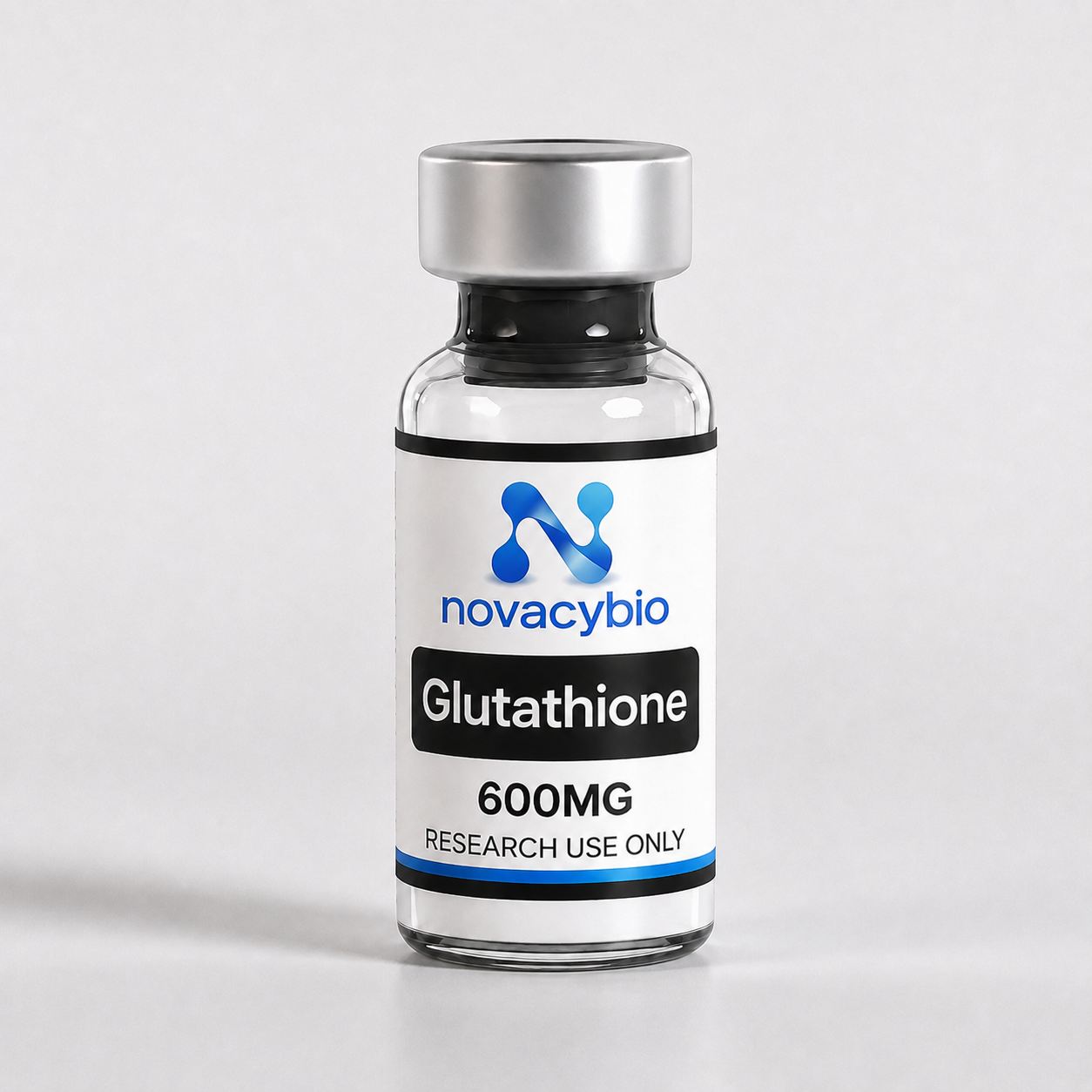
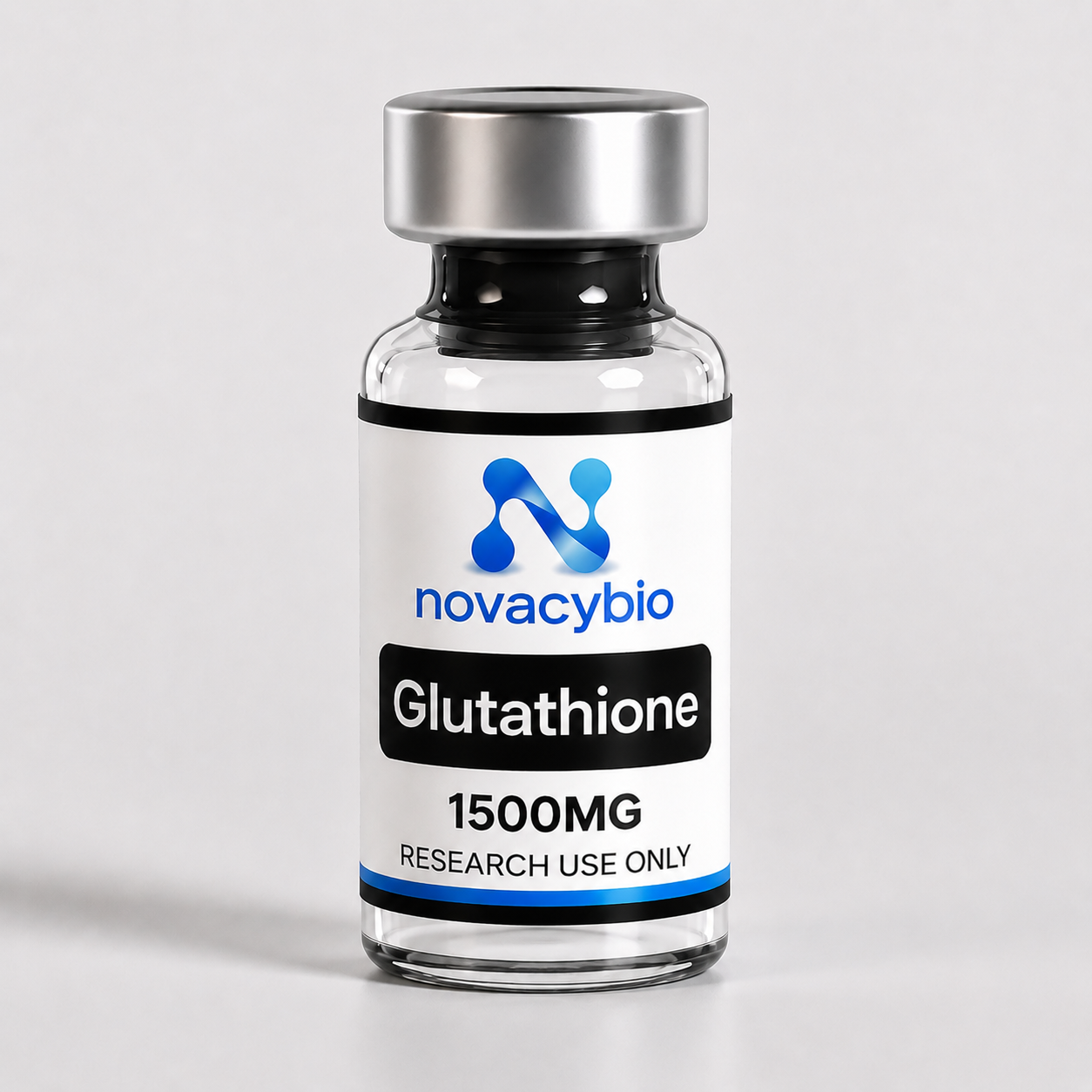
Glutathione
High-Purity Glutathione (GSH) Tripeptide Research Compound for Oxidative Stress, Redox Biology & Cellular Metabolism Studies
| Key Feature | Benefit |
|---|---|
| GSH Tripeptide Research Compound | High-purity glutathione peptide for biochemical research |
| 1 Kit / 10 Vials Packaging | Convenient format for laboratory research needs |
| Redox & Oxidative Stress Studies | Supports cellular antioxidant pathway research |
| COA + HPLC + MS Documentation | Transparent analytical quality verification |
| Research Grade Supply | Suitable for academic and biotechnology research programs |

Glutathione (GSH) Research Peptide Product Page Content
B2B Research Peptide Supplier Version | US & EU Market SEO Optimized
1. What is Glutathione?
Glutathione (GSH) Research Peptide
Glutathione (GSH) is a naturally occurring tripeptide research compound composed of three amino acids:
-
Glutamic acid
-
Cysteine
-
Glycine
Its molecular structure is commonly represented as:
γ-L-Glutamyl-L-Cysteinyl-Glycine (γ-Glu-Cys-Gly)
Glutathione is one of the most extensively studied intracellular antioxidant molecules in biological research.
In scientific studies, Glutathione is primarily investigated for its role in:
-
Cellular redox regulation
-
Oxidative stress pathways
-
Antioxidant enzyme systems
-
Mitochondrial biology
-
Molecular signaling mechanisms
As a research material, Glutathione is supplied for laboratory investigation in biochemical, molecular biology, and cellular research applications.
2. Peptide Category Classification
Product Classification
| Category | Information |
|---|---|
| Product Name | Glutathione |
| Abbreviation | GSH |
| Peptide Type | Tripeptide |
| Amino Acid Sequence | γ-Glu-Cys-Gly |
| Molecular Class | Bioactive Peptide Compound |
| Research Category | Antioxidant & Redox Biology Research |
| Research Application | Cellular, Biochemical and Molecular Studies |
Peptide Structure
Glutathione belongs to the tripeptide family, consisting of three amino acids linked through peptide bonds.
Unlike longer research peptides, Glutathione represents one of the smallest naturally occurring bioactive peptides studied in biological systems.
3. Research Logic & Mechanism of Action
The primary research interest in Glutathione focuses on its function within cellular antioxidant and redox regulation systems.
Cellular Redox Regulation
Glutathione exists mainly in two forms:
-
Reduced Glutathione (GSH)
-
Oxidized Glutathione (GSSG)
The GSH/GSSG ratio is commonly investigated as an indicator of cellular redox balance.
Research focuses on how Glutathione participates in:
-
Oxidative stress response
-
Cellular antioxidant defense
-
Redox signaling pathways
Antioxidant Pathway Research
Glutathione serves as a substrate in research involving:
Glutathione Peroxidase (GPx)
Researchers investigate Glutathione-dependent enzyme systems involved in:
-
Peroxide metabolism
-
Reactive oxygen species regulation
-
Cellular protection mechanisms
Glutathione-S-Transferase Pathway Research
Glutathione is also studied in relation to GST enzyme pathways involved in:
-
Cellular metabolism
-
Molecular detoxification mechanisms
-
Chemical conjugation research
Mitochondrial Research
Research models investigate Glutathione involvement in:
-
Mitochondrial oxidative balance
-
Cellular energy metabolism
-
Reactive oxygen species regulation
4. Research Findings
Oxidative Stress Research
Extensive laboratory research has investigated Glutathione as a key molecule involved in cellular antioxidant systems.
Studies have explored:
-
GSH/GSSG balance
-
ROS regulation
-
Oxidative stress mechanisms
Cellular Redox Biology Studies
Research indicates that Glutathione plays an important role in maintaining intracellular redox conditions.
Experimental studies commonly evaluate:
-
Cellular antioxidant capacity
-
Redox signaling pathways
-
Stress response mechanisms
Mitochondrial Function Research
Research models have investigated relationships between Glutathione levels and:
-
Mitochondrial oxidative status
-
Energy metabolism pathways
-
Cellular stress adaptation
Molecular Biology Research
Glutathione continues to be investigated as a research tool in:
-
Biochemistry
-
Cell biology
-
Toxicology
-
Metabolic pathway studies
5. Research Applications
Glutathione is supplied for laboratory research applications including:
Oxidative Stress Studies
Used for research involving:
-
Reactive oxygen species (ROS)
-
Antioxidant mechanisms
-
Cellular stress responses
Redox Biology Research
Applications include:
-
GSH/GSSG ratio analysis
-
Cellular redox signaling
-
Antioxidant pathway investigation
Mitochondrial Function Studies
Researchers use Glutathione in studies related to:
-
Mitochondrial metabolism
-
Cellular energy pathways
-
Oxidative regulation
Molecular Biology Research
Applicable for:
-
Protein interaction studies
-
Cellular signaling research
-
Biochemical pathway analysis
Toxicology Research
Used in investigations involving:
-
Cellular response to chemical exposure
-
Metabolic transformation pathways
-
Protective cellular mechanisms
Aging & Cellular Stress Research
Research applications include:
-
Cellular stress mechanisms
-
Oxidative aging pathways
-
Biological resilience studies
6. Safety Profile
Research Status
Glutathione is a widely studied biological molecule; however, research products are supplied specifically as laboratory materials.
Available research information includes:
-
Biochemical studies
-
Cellular research
-
Preclinical investigations
Research Considerations
Researchers should evaluate:
-
Experimental requirements
-
Laboratory handling procedures
-
Research model differences
-
Storage and preparation conditions
No conclusions regarding therapeutic effectiveness or clinical application should be made from laboratory research data.
7. Final Product Positioning
Glutathione (GSH) Research Peptide
Positioned as:
High-Purity Tripeptide Research Compound for Redox Biology, Oxidative Stress and Cellular Metabolism Studies
Ideal for:
-
University laboratories
-
Biotechnology companies
-
Pharmaceutical research organizations
-
Molecular biology research programs
-
Biochemical research facilities
Key Product Advantages
✓ Naturally occurring tripeptide compound
✓ Widely researched antioxidant pathway molecule
✓ Suitable for cellular and biochemical studies
✓ High-quality analytical documentation
✓ Professional B2B laboratory supply
8. Quality Documentation
To support research transparency and quality verification, product documentation may include:
Certificate of Analysis (COA)
COA documentation provides:
-
Product identification
-
Batch number
-
Purity testing results
-
Quality specifications
-
Testing information
HPLC Report
High Performance Liquid Chromatography analysis supports:
-
Purity confirmation
-
Compound profile verification
-
Batch consistency assessment
Mass Spectrometry
Mass Spectrometry testing confirms:
-
Molecular weight
-
Compound identity
-
Structural consistency
Batch Documentation
Available batch records may include:
-
Manufacturing information
-
Quality control records
-
Production traceability
-
Analytical verification documents
9. Storage Information
Recommended storage conditions:
-
Store in a cool and dry laboratory environment
-
Protect from moisture and direct light
-
Keep container tightly sealed
-
Avoid repeated exposure to unsuitable environmental conditions
Storage requirements should follow supplier-specific recommendations.
10. Research Disclaimer
For research use only.
Not intended for human consumption.
Not intended for clinical or diagnostic use.
Glutathione is supplied exclusively as a research material for qualified laboratory and scientific investigations.
This product is not intended to diagnose, treat, cure, or prevent any disease or medical condition.
Customers are responsible for ensuring compliance with applicable regulations and institutional research requirements.
11. FAQ (B2B SEO Questions)
1. What is Glutathione (GSH) research peptide?
Glutathione (GSH) is a naturally occurring tripeptide composed of glutamic acid, cysteine, and glycine, widely studied in cellular redox and antioxidant research.
2. Is Glutathione considered a peptide?
Yes. Glutathione is classified as a tripeptide because it contains three amino acids connected through peptide bonds.
3. What is Glutathione used for in research?
Glutathione is used in research involving oxidative stress, redox biology, mitochondrial function, cellular metabolism, and antioxidant pathways.
4. What is the mechanism of action of Glutathione?
Glutathione is primarily studied through its role in GSH/GSSG redox cycling and glutathione-dependent antioxidant enzyme systems.
5. What research fields use Glutathione?
Common research fields include:
-
Molecular biology
-
Biochemistry
-
Cell biology
-
Toxicology
-
Mitochondrial research
6. What quality documents are available for Glutathione?
Research suppliers typically provide:
-
COA
-
HPLC Report
-
Mass Spectrometry Data
-
Batch Documentation
7. How should Glutathione research peptide be stored?
Glutathione should be stored according to supplier instructions, typically in controlled laboratory storage conditions protected from heat, moisture, and light.
8. Who purchases Glutathione research compounds?
Typical customers include:
-
Academic institutions
-
Biotechnology companies
-
Pharmaceutical research laboratories
-
Scientific research organizations

You have successfully commented, please wait for review
Copied Successfully
You can enjoy up to 1 free gift!
